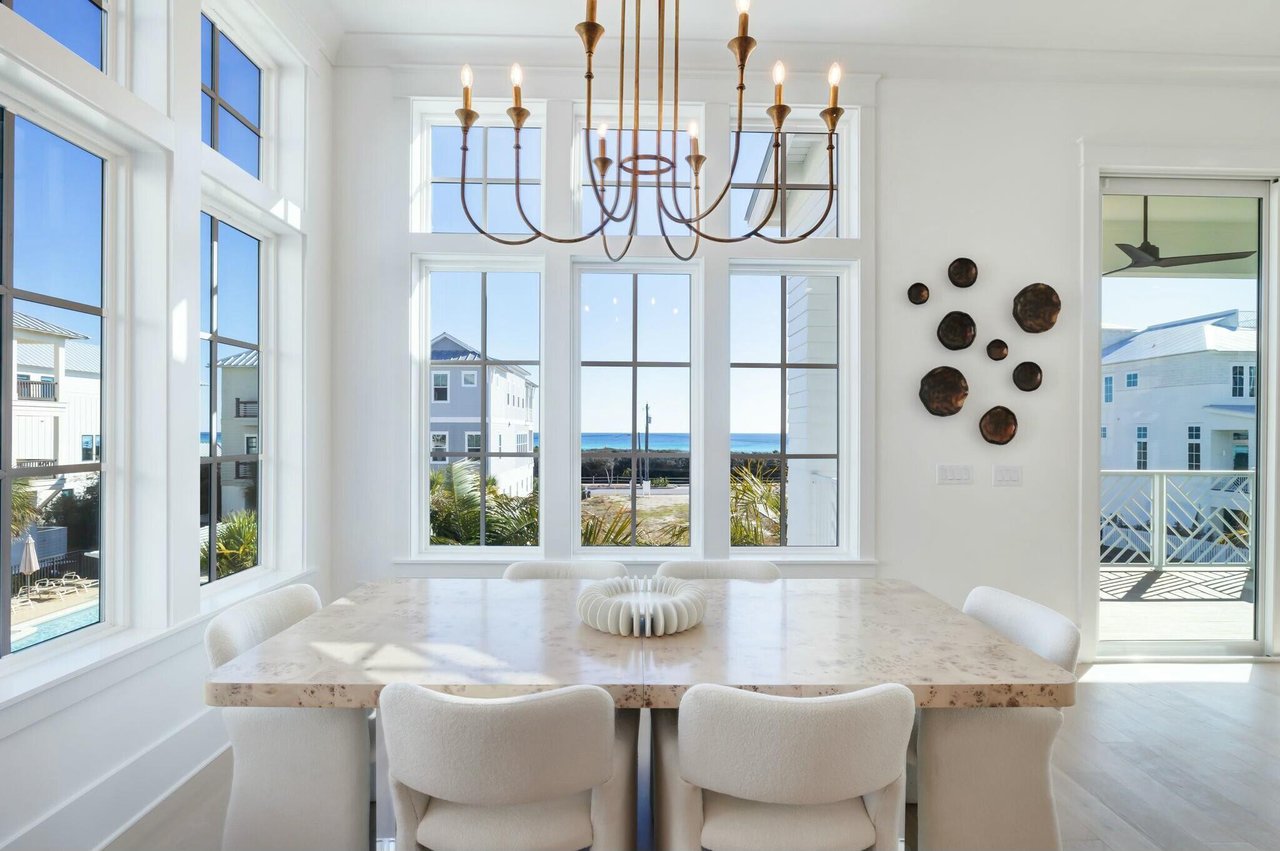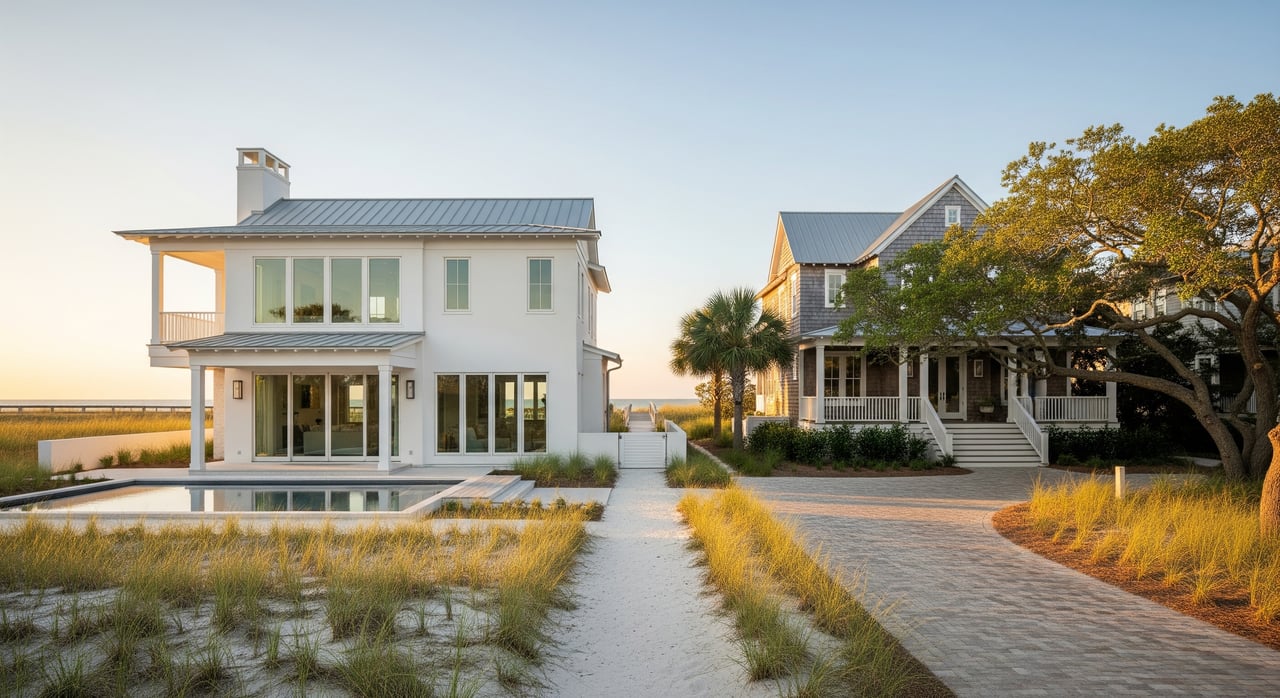
Deciding between a brand-new build and a well-kept resale in Watersound Origins can feel like a fork in the road. You want coastal ease, thoughtful design, and smart ownership, whether it is for your family, a second home, or an investment. This guide breaks down the real differences that matter in Watersound Origins so you can choose with confidence. You will learn how costs, timing, insurance, rental rules, and due diligence vary between new construction and resale. Let’s dive in.
Start with your goal
Before you compare features, clarify how you plan to use the home.
- Primary residence: You may prioritize immediate move-in, predictable carrying costs, and everyday convenience. Resale can deliver speed. New builds can deliver modern systems and warranties.
- Second home: Seasonal use means timing and maintenance matter. New builds reduce near-term repairs. Resales can offer established locations and mature landscaping.
- Investment or hybrid use: In the 30A corridor, short-term rental potential and calendar planning drive returns. Rental rules, seasonality, and finish levels should guide your choice.
Watersound Origins market essentials
Watersound Origins sits within the broader 30A resort corridor in northwest Florida, where second homes and vacation rentals are common. This corridor often carries a coastal premium with higher per-square-foot pricing compared to many inland markets. Communities tend to have architectural review boards, defined covenants, and structured amenity programs. Seasonal patterns are typical, with stronger demand from late spring to summer, which can affect rental income and sales cadence.
Important note for due diligence: Watersound developments are in Walton County. The 32413 ZIP code ties to Bay County. Always verify a specific property’s county, tax parcel, and local rules before you finalize a purchase plan.
New build: what to expect
New construction in Watersound Origins offers modern design, energy efficiency, and the appeal of a turnkey experience. Here is how it breaks down:
- Price and components: Expect a base price plus lot premium, upgrades and options, and possible impact or connection fees. Builders may offer incentives for closing costs or financing. Evaluate the net.
- Timing and risk: Build times can range from weeks to many months. Weather, supply chain, or permitting can cause delays. If you plan to enjoy peak season or start rentals, build a cushion into your timeline.
- Condition and warranty: You get new systems, lower early maintenance, and builder warranties. Understand what is covered, how long it lasts, and how warranty claims are handled. Punch-list follow-through matters.
- Code and resiliency: Homes built to current Florida Building Code typically provide better wind resistance, energy performance, and coastal engineering than many older homes. Elevation and foundation systems may reflect modern floodplain requirements.
- Insurance and flood: Newer code-compliant homes may qualify for wind-mitigation credits. Flood insurance costs still depend on the FEMA flood zone and the home’s elevation. Request an elevation certificate when available and get quotes early.
- Financing: You may need construction-to-permanent financing or a lender experienced with new builds. Appraisals can be tricky when comparable new sales are limited. Compare any builder mortgage incentives with market rates.
- HOA and amenities: Watersound communities often have a master association plus sub-associations. Ask about fee schedules, any special assessments, what club or amenity access is included, and whether phased development could delay some amenities.
- Rental positioning: New builds with fresh finishes can be attractive in short-term rental programs and may command higher nightly rates. Be sure your rental expectations reflect seasonality and management fees.
Resale: what to expect
Resales offer speed, known condition, and established surroundings. Here is how they compare:
- Price and condition: Resales can be more competitive per square foot compared to brand-new inventory, especially if finishes are dated. Budget for near-term updates or maintenance.
- Timing and certainty: You can usually close faster than a new build. Inspections and underwriting still matter, but occupancy can be quick.
- Inspection and repairs: A thorough inspection helps you identify deferred maintenance. You can often negotiate credits or repairs.
- Code and upgrades: Older homes may not reflect current wind or flood standards, though some have been retrofitted. Ask for documentation of improvements and substantial remodel dates.
- Insurance and flood: Premiums depend on mitigation features, elevation, and flood zone. Gather wind and flood quotes early and review any available elevation certificate.
- Financing: Conventional financing and appraisals rely on recent local sales. If a home needs significant work, a renovation loan or repair escrow may be required.
- HOA history: Review covenants, budgets, reserves, and meeting minutes. Established associations can reveal fee trends and recent assessments.
- Rental history: If the home has a rental track record, use it to benchmark occupancy and rates. Confirm current rental rules at the community and county levels.
Cost clarity: what to budget
Getting the full picture helps you avoid surprises.
New build typical costs:
- Base price, lot premium, and paid options or upgrades.
- Impact or utility connection fees where applicable.
- Potential builder incentives that reduce net costs.
- HOA and any club or master-amenity fees. Confirm whether all amenities are complete or phased.
- Window treatments, landscaping scope, and other finish items that may not be included.
Resale typical costs:
- Initial purchase price that may reflect older finishes.
- Immediate capital items such as roof, HVAC, or appliances as dictated by inspection.
- Insurance premiums that reflect the home’s age, mitigation features, and elevation.
- HOA dues, plus any current or pending assessments.
Insurance and flood: key factors
Coastal homes face wind and flood considerations that can materially affect annual costs.
- Flood zone and elevation: Check FEMA flood maps to see the property’s designation and base flood elevation. Ask for an elevation certificate if available.
- Wind mitigation: Newer code construction may help with wind-insurance credits. Older homes may qualify if properly retrofitted. Documentation is important.
- Quotes early: Obtain preliminary quotes for homeowners, wind, and flood coverage from local carriers or the NFIP/private flood market. Compare deductibles, coverage limits, and any exclusions.
Rental rules and income reality
If you plan to rent short term, rules and seasonality deserve attention.
- Community rules: Many 30A communities allow short-term rentals with restrictions. Minimum stays, rental caps, and owner-use windows are common. Confirm Watersound Origins-specific rules and any registration requirements.
- County taxes and registration: Expect tourist or transient rental taxes and local registration. Policies can change, so verify current rules before you list a home for rent.
- Performance modeling: Set realistic projections using seasonal occupancy and market-rate assumptions. Newer finishes can drive higher nightly rates, but management fees and shoulder-season occupancy influence net.
Due diligence checklist
Use this checklist whether you are buying new or resale.
For both new and resale:
- Confirm the property’s county, parcel ID, tax assessment, and current property taxes through the county property appraiser.
- Review HOA and CCR documents, budgets, reserves, and recent meeting minutes.
- Check FEMA flood zone and request an elevation certificate if available.
- Get preliminary insurance quotes for wind, flood, and homeowners coverage. Ask about mitigation discounts.
- Verify short-term rental rules at both the community and county levels. Review any rental program contracts and fee schedules.
- Order a professional home inspection. For new builds, consider phase inspections at foundation, framing, and systems stages.
- For new builds, read the builder warranty in detail and confirm the claims process.
- Engage a lender early to understand appraisal requirements and financing options.
- Confirm utility connections, septic or sewer, and any easements.
Extra for new builds:
- Get a written timeline with milestones, completion estimates, and remedies for delays.
- Clarify what is included in base finishes versus paid upgrades. Understand change-order procedures.
- Request final inspection approvals, certificate of occupancy, building permit records, and warranty documents.
- Confirm lot drainage, grading plans, and any landscaping or amenity items tied to later phases.
Extra for resales:
- Request service records for roof, HVAC, and major systems.
- Check for past flood or insurance claims and repair documentation.
- Order a termite and pest inspection and request treatment history.
- Verify there are no open permits, unresolved code issues, or unpermitted work.
Appraisals and financing differences
- New construction: Appraisals can be challenging when a model is new to the area. Builders may provide pricing for similar models to support valuation. Construction-to-permanent loans or extended rate locks may be useful, and builder financing incentives can lower total costs if they beat market terms.
- Resale: Appraisers rely on recent comparable sales, which can smooth the process. If the home needs work, renovation loans or repair escrows might be required by the lender.
When a new build fits best
Choose new construction if you value the following:
- Modern floor plans, energy-efficient systems, and the latest building code standards.
- Fewer early maintenance surprises and warranty coverage for peace of mind.
- The potential for stronger wind-mitigation credits and engineered coastal design.
- A curated rental product with current finishes that may appeal to guests in the 30A market.
When a resale fits best
Choose a resale if these advantages matter more:
- Faster occupancy and fewer timing risks, which can be critical for primary or seasonal use.
- Established neighborhood setting, mature landscaping, and known operating costs.
- Pricing flexibility with room to add value through targeted upgrades.
- Immediate rental history that helps you forecast performance with real data.
Your next step
Both paths can be right in Watersound Origins. The best choice depends on your timeline, how you plan to use the property, and your appetite for construction or renovation. If you want a clear plan that balances lifestyle and returns, let’s talk about your goals and build a property shortlist tailored to you.
Ready to compare specific homes or upcoming releases in Watersound Origins? Schedule a Personalized Consultation with the Lynne Andrews Luxury Collective. Our boutique, marketing-first team will help you navigate HOA rules, insurance quotes, rental strategy, and closing logistics with concierge care.
FAQs
Will a new build appreciate faster than a resale in Watersound Origins?
- Appreciation depends on location, demand, finishes, and market cycles; new builds often start at a premium but do not automatically appreciate faster than comparable resales.
Are insurance premiums lower for new homes near 30A?
- Often for wind coverage due to modern code and mitigation features; flood premiums depend on FEMA zone and the home’s elevation regardless of age.
How long does it take to move into a new build vs a resale?
- New builds can take weeks to many months and may face delays; resales typically close faster, which can be helpful for primary or seasonal timelines.
What hidden costs should I expect with new construction?
- Lot premiums, paid upgrades, impact or connection fees, potential phased-amenity timing, and the possibility of construction delays that affect carrying or rental plans.
What hidden costs should I expect with a resale?
- Deferred maintenance like roof or HVAC, immediate capital improvements, and potential costs to bring systems or finishes up to current expectations.
How do rental rules impact my decision in Watersound Origins?
- Community and county policies may require registration, set minimum stays, or cap rentals; always verify rules and model seasonality and management fees when projecting income.