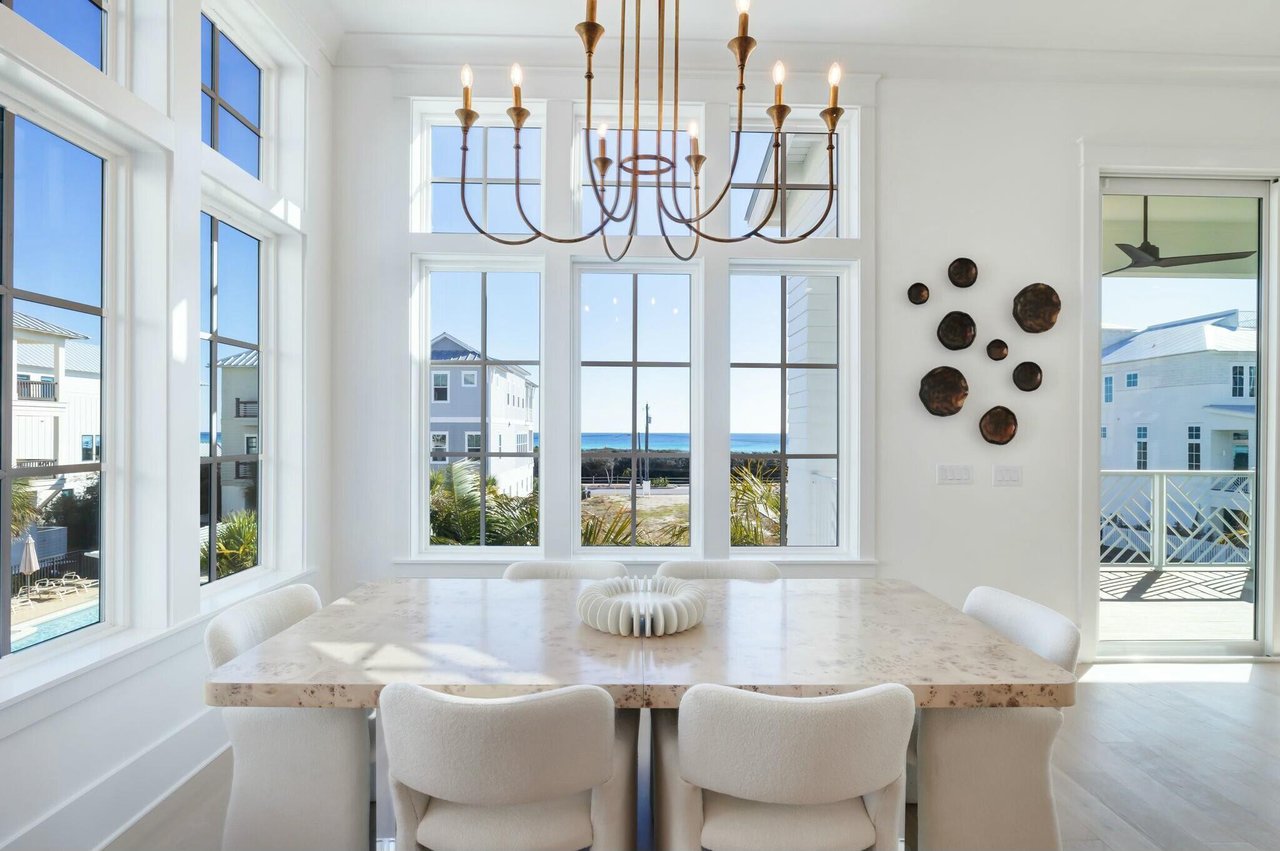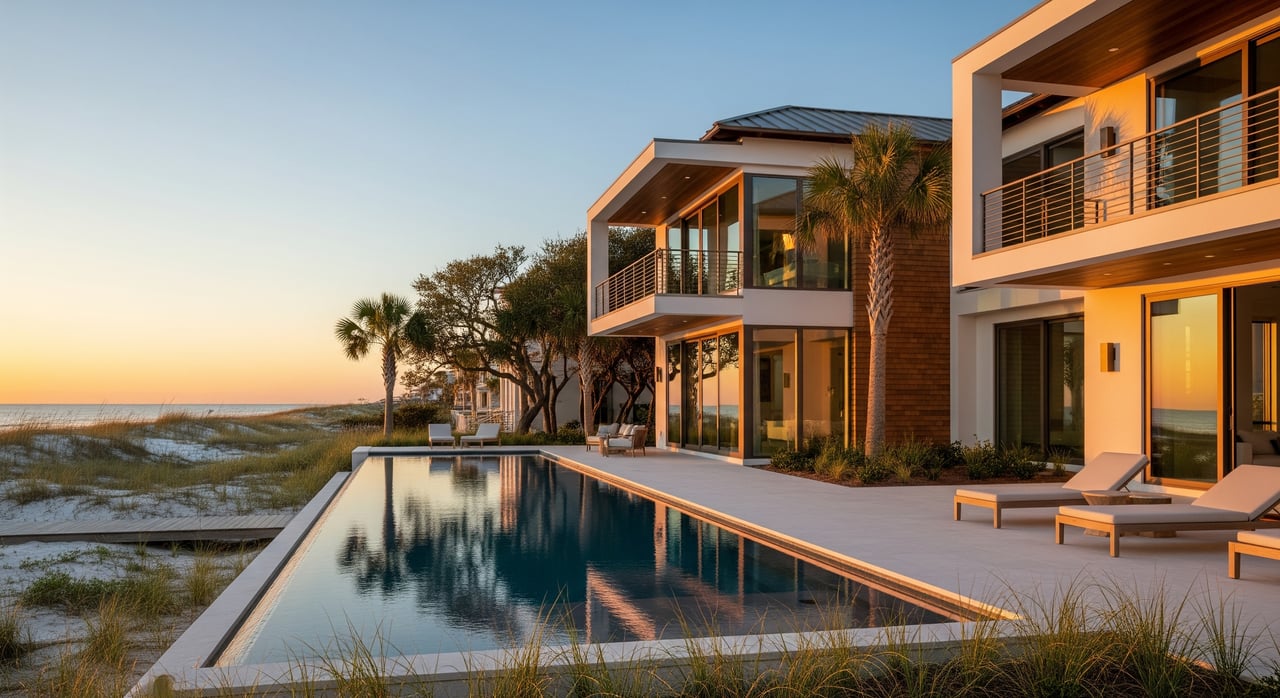
Thinking about selling a luxury home in Santa Rosa Beach and wondering where the right price starts? You are not alone. In our coastal market, value is shaped by shoreline position, elevation, and rental potential, and the range can be wide. In this guide, you will see exactly how we evaluate your property, which factors move the number up or down, and how we pick a pricing strategy that attracts qualified buyers without leaving money on the table. Let’s dive in.
What “luxury” means in Santa Rosa Beach
Luxury is local. In Santa Rosa Beach and the broader South Walton area, we define luxury by what the market is paying at the top end right now, not a fixed dollar amount. We look at recent sales and identify the top 5 to 10 percent of closing prices for your neighborhood or coastline segment.
This percentile view helps us set a realistic price floor. We also consider current thresholds in local MLS data where buyer searches commonly begin, such as listings above a certain round number. The goal is to position your home in the right search band and among true peers.
The factors that move price here
Location and views
Water position is the single biggest driver. True gulf-front homes with direct beach access command the strongest premiums. Gulf-view and near-beach homes can also earn significant value, but the premium depends on how direct and unobstructed the view is.
Lot orientation matters too. Western-facing outlooks capture sunsets that many buyers prize. Proximity to high-demand enclaves such as Seaside, WaterColor, Grayton Beach, Seagrove, and Inlet Beach also lifts appeal and price.
Elevation and resiliency
In a coastal market, elevation and FEMA flood zone designations are material to buyers. A higher finished-floor elevation and current elevation certificates reduce perceived flood risk and can improve insurability. Documented resilient construction, like impact windows, reinforced roofing, hurricane straps, elevated foundations, and flood vents, adds value.
Design, space, and amenities
Quality of construction and finish level can shift value dramatically. Custom architecture, premium appliances, engineered materials, pools, elevators, outdoor kitchens, or private dune and beach access all carry weight. Indoor-outdoor integration, bedroom count, and functional layouts further refine the number.
Rental income potential
Many luxury properties here double as vacation rentals. Verified rental history, occupancy patterns by season, rate grids, and management agreements influence price for investor buyers. If the HOA restricts short-term rentals, that can narrow the buyer pool and change the pricing approach.
Neighborhood supply and comparables
Luxury segments often have fewer direct comps. Unique features and limited recent sales create wider valuation ranges. We track months of supply for similar properties to gauge pricing sensitivity and expected time on market.
Insurance, rules, and operating costs
Insurance availability and premiums, flood requirements, HOA rules, and any short-term rental policies affect buyer affordability. Beach access rights, public easements, and environmental considerations can also affect perceived value and should be clarified early.
Our valuation framework
Start with a local CMA
We begin with a comparative market analysis focused on your immediate submarket. That means recent, truly comparable closed sales along the same coastline segment or within the same community. We adjust for view, lot size and frontage, private access, elevation and flood-hardening, construction quality, outdoor amenities, and rental income.
When direct comps are scarce, we expand the radius or the timeframe, then widen adjustments and clearly document the reasoning. This produces a justified range rather than a single guess.
Cross-check price per square foot
Price per square foot is a reference point, not a rule. In luxury, PSF can vary widely due to lot value, view premiums, and custom design. We use PSF as a cross-check to confirm that the CMA range is consistent with the broader market signal.
Cost approach for unique builds
For newer custom homes or one-of-a-kind features without clear comps, we consider replacement cost. We estimate current construction costs, apply depreciation where relevant, and add land value. Then we reconcile that with market evidence.
Income approach for rental-focused homes
If your home performs as a vacation rental, we analyze it like an investment asset too. We review trailing rental history, occupancy by month, rate seasonality, management fees, and operating expenses to run scenarios using methods such as a GRM or cash flow analysis. The result helps validate or refine the listing range for investor buyers.
Appraisal preparation
Appraisers face the same comp challenges in coastal luxury markets. We package the documents they need upfront: elevation certificates, insurance quotes, rental statements, construction specs, permits, and upgrade lists. This reduces appraisal friction and supports your contract price.
Pricing strategy that fits the market
Market-based listing price
Most sellers want to balance speed and price. A market-based price sets you inside the range where qualified buyers are already searching. It supports strong showing activity without compressing your negotiation room.
Aspirational pricing
If timeline is flexible, we can list at the top of the supported range. This creates room to test demand and negotiate. It can extend days on market, so we pair it with targeted, high-touch marketing and a clear review cadence.
Competitive, bidding-focused pricing
In periods of tight inventory, we can price slightly below the center of value to increase showings and encourage multiple offers. This path works best when your home shows beautifully and the nearby inventory is thin.
Timing and seasonality
Our market has seasonal demand waves. Spring and early summer draw active family and second-home buyers, while winter snowbird months add another bump. We plan listing dates and major marketing pushes to ride these windows.
Tiered price adjustments
We set predefined checkpoints, such as at 30, 60, and 90 days, to assess showings, feedback, and competing inventory. If the data points to a gap, we adjust quickly to avoid staleness.
What we prepare before you list
A complete, verified listing package builds trust and helps your home justify top-tier pricing. We help you assemble:
- Recent inspection report and a list of completed or deferred maintenance.
- Elevation certificate and FEMA flood zone determination.
- Current homeowner and flood insurance quotes or proof of insurability.
- Detailed upgrade list, construction specs, permits, and warranties.
- HOA documents, covenants, and any short-term rental rules.
- Full rental history if applicable: revenue, occupancy by month, and rate grids.
- Survey, plat, and proof of deeded beach or dune access if applicable.
- Professional photography, drone imagery, floor plans, a 3D tour, and a neighborhood map showing proximity to amenities.
What we monitor once live
After launch, we track the signals that matter and share a simple dashboard with you:
- Days on market and showings per week.
- List-to-sale price trends and any price changes among your comps.
- New competing listings or meaningful price cuts nearby.
- Buyer feedback themes and offer patterns, including cash versus financing.
Setting expectations and timeline
Luxury properties typically take longer to sell than entry-level homes. We set realistic milestones, review buyer engagement at each checkpoint, and adjust strategy as needed. Seasonal slowdowns can affect in-person showings, so we lean into virtual tours for out-of-area buyers to keep momentum.
How our marketing supports your price
In a market where view lines, architecture, and lifestyle drive value, presentation is non-negotiable. We lead with elevated photography, cinematic drone video, floor plans, and compelling narrative to spotlight what makes your home rare.
Because many buyers are out of market, distribution matters. We pair local MLS reach with premium channels that align with a luxury audience. Our team’s marketing-first approach and hospitality mindset ensure both the emotional story and the investment story are clear, which helps anchor your price and protect your negotiating power.
Ready to see where your home should be positioned? Reach out to the team at Lynne Andrews Luxury Collective and let’s build your pricing plan.
FAQs
How do you define luxury in Santa Rosa Beach?
- We use local MLS data to identify the top 5 to 10 percent of recent sales in your submarket and set a local threshold that reflects current buyer behavior.
What premium does true gulf-front usually command?
- Premiums vary by frontage, access, and view quality; we analyze recent gulf-front closings versus near-beach sales in your immediate area to quantify the difference.
How do flood zone and elevation affect my price?
- Higher finished-floor elevation and favorable flood zone designations can reduce insurance costs and perceived risk, which increases buyer confidence and value.
How do short-term rental revenues factor into pricing?
- Verified rental history, occupancy by season, and rate grids support an income approach for investor buyers and can justify a higher price if performance is strong.
When is the best time to list a luxury home here?
- Activity peaks in late winter through summer; we plan launch and major marketing pushes around these windows to capture more qualified buyers.
How long will it take to sell at my desired price?
- Timeline depends on months of supply, the strength of your comps, and pricing strategy; we set checkpoints at 30, 60, and 90 days to evaluate and adjust quickly.