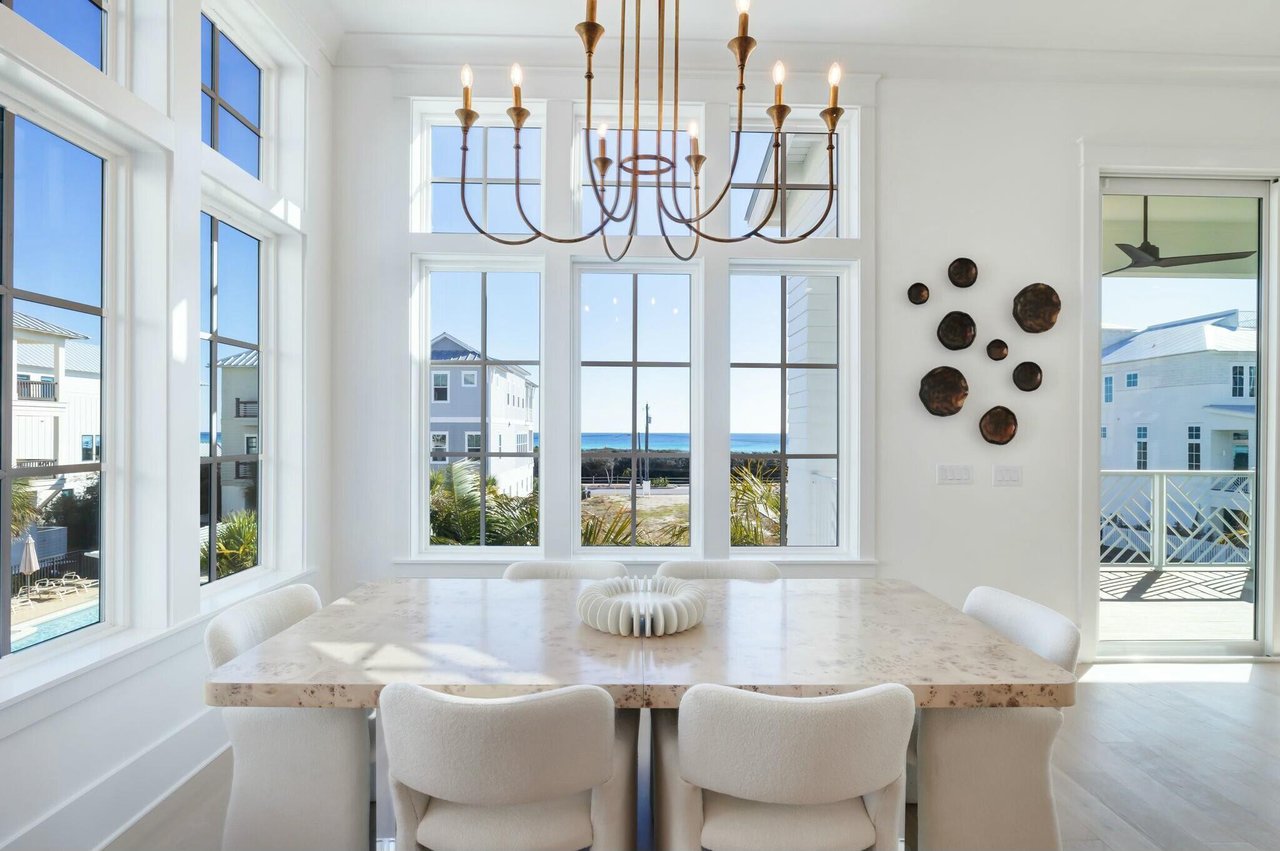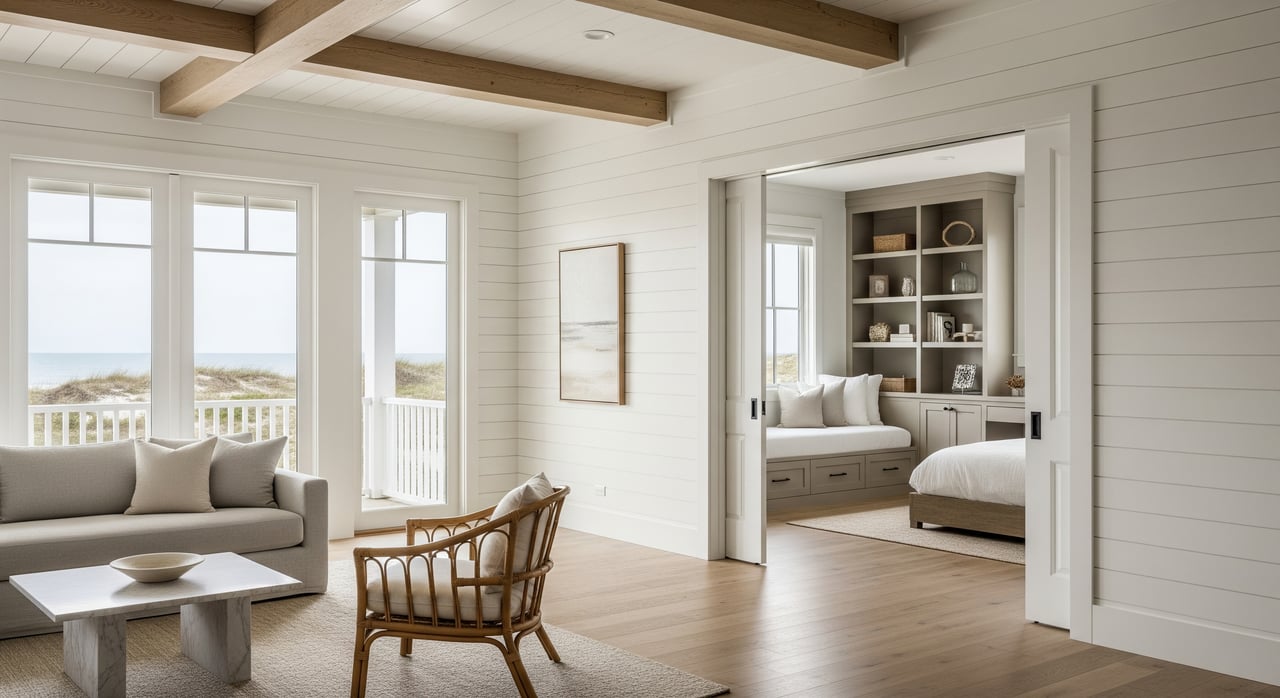
Choosing between a 3-bedroom and a 4-bedroom rental in Blue Mountain Beach can feel like a coin toss. You want strong income, but you also want a property that books consistently and is easy to operate. The truth is, bedroom count changes both revenue and costs, and the winner depends on your numbers. In this guide, you’ll learn a practical way to compare 3-bed and 4-bed options, what matters most to guests here, and how to run the math with confidence. Let’s dive in.
Blue Mountain demand at a glance
Blue Mountain Beach sits in South Walton along 30A, drawing repeat beach travelers across peak seasons like summer, spring break, and holidays. Shoulder seasons can still perform well thanks to Florida winter visitors and flexible remote travel. For local tourism context, explore insights from Visit South Walton.
Visitor groups vary. Many family groups are comfortable in 3-bedroom homes, while larger parties often seek 4 or more bedrooms for more beds and bathrooms. Layout, bathrooms, parking, outdoor space, and proximity to beach access often matter more than bedroom count alone.
What changes from 3 to 4 bedrooms
- Revenue potential: A 4-bedroom usually commands a higher average daily rate (ADR) and can host larger groups, which raises the ceiling on each booking.
- Occupancy risk: In slower months, fewer small parties search for larger homes. A well-positioned 3-bedroom can book more consistently year round.
- Cost profile: A 4-bedroom typically means a higher purchase price, bigger mortgage, higher insurance and utilities, and higher housekeeping costs.
- Guest fit: A 3-bedroom often suits groups of 4 to 6, while a 4-bedroom serves larger parties, sometimes with bunk rooms and 3 or more bathrooms.
The core math you need
At its heart, the 3 vs 4 decision comes down to ADR times occupancy minus operating costs. Use these formulas for apples-to-apples comparisons.
Inputs for your model
Gather these items for two comparable properties in Blue Mountain Beach:
- ADR_3 and ADR_4 (pull comps using AirDNA market data or local property managers)
- Occ_3 and Occ_4 (occupancy rates by month and annual)
- PurchasePrice_3 and PurchasePrice_4
- Operating expenses by line item (see below)
- Mortgage terms if financing (down payment percent, interest rate, amortization)
- Cleaning fee structure and whether you retain any cleaning revenue
Calculate revenue potential
- ADR = total rental revenue divided by rented nights
- Occupancy rate = rented nights divided by available nights
- Annual gross rental revenue = ADR × occupancy × 365
- RevPAR (revenue per available rental) = ADR × occupancy (helps compare different bedroom counts on the same calendar)
If your platform passes cleaning fees to guests and you retain a portion, decide whether to include that as revenue or net it against housekeeping expenses. Be consistent across both properties.
Estimate operating expenses
Budget by line item and adjust for size. Bigger homes usually cost more to operate.
- Property tax, insurance (hazard, windstorm, flood), and HOA or resort dues
- Utilities and internet (water, power, gas, fiber)
- Landscaping and pool service if applicable
- Housekeeping and linen services per turnover
- Routine maintenance and reserves for wear and tear
- Property management fees and marketing or OTA fees
- Consumables and supplies
- Transient rental tax remittances
Profitability metrics to compare
- Net Operating Income (NOI) = gross rental revenue minus operating expenses
- Cap rate = NOI divided by purchase price
- Cash-on-cash return = annual pre-tax cash flow (NOI minus debt service) divided by total cash invested
- Break-even occupancy = (annual fixed costs plus debt service) divided by (ADR × 365 minus variable costs per night × estimated nights)
Sensitivity tests worth running
Small changes in ADR or occupancy can swing your outcome. Test these before you buy.
- ADR up or down 10 to 20 percent for both homes
- Occupancy up or down 10 to 20 percent
- Combined changes to see worst-case and best-case ranges
- High-season versus low-season cash flow by month
- Cleaning frequency assumptions and turnover mix
- Reserved owner-use nights or downtime for capital projects
- A storm scenario with 1 to 2 months of lost revenue
Layout and features that beat bedroom count
Bedroom count is only part of the story. In Blue Mountain Beach, the following can drive results:
- Bathrooms: More full baths and a smart bath-to-bed ratio reduce friction for larger groups.
- Parking: Off-street, convenient parking supports multi-car parties.
- Proximity: Easy access to public beach entries and walkability can lift both ADR and occupancy.
- Outdoor living: Porches, grills, and private or community pools boost appeal.
- Sleeping mix: Quality bedding and flexible sleeping arrangements matter. Bunk rooms can help a 4-bedroom compete.
Regulations, taxes, and insurance in Walton County
Rules and costs can change. Confirm details with county sources and your HOA.
- Short-term rental rules: Review registration, occupancy limits, parking, safety items, and contact requirements in the Walton County Code of Ordinances. Some communities may have separate deed or HOA restrictions.
- Tourist Development Tax: Hosts typically collect and remit transient rental taxes. See the Walton County Tax Collector for current rates and filing.
- Flood and wind exposure: Check flood zones through the FEMA Flood Map Service Center. Windstorm and flood insurance are major cost drivers along the coast. Wind mitigation features can help.
- Assessed values and tax data: Use the Walton County Property Appraiser to review assessments for comps.
3-bedroom vs 4-bedroom: quick comparison
3-bedroom strengths
- Often steadier occupancy in shoulder and low seasons
- Lower purchase price and operating costs
- Easier housekeeping turns and maintenance
3-bedroom watch-outs
- Lower ADR ceiling and fewer high-revenue large-group bookings
- May lose out to 4-bedroom homes during peak weeks
4-bedroom strengths
- Higher ADR potential and per-booking revenue for larger groups
- More bathrooms and flexible sleeping can improve guest experience
- Better opportunity for upsells that scale with group size
4-bedroom watch-outs
- Higher acquisition cost, mortgage, insurance, utilities, and housekeeping
- Potentially lower off-season occupancy if demand softens
Which path fits your goals
- If you value steadier year-round occupancy and a simpler operation, a 3-bedroom can be the right fit when it is walkable, well-designed, and priced correctly.
- If you aim to maximize peak-season revenue and serve larger parties, a 4-bedroom may outperform when it offers ample bathrooms, parking, and strong outdoor space near beach access.
- In both cases, run the full model. Compare ADR and occupancy by month, all operating costs, and sensitivity ranges, then decide based on NOI and cash-on-cash return.
Your step-by-step worksheet
Copy these steps and plug in your numbers for two Blue Mountain Beach comps.
- Gather inputs
- ADR_3, ADR_4 and monthly occupancy from AirDNA or local managers
- Purchase prices and mortgage terms
- Line-item annual expenses for each home
- Run the base case
- GrossRevenue = ADR × occupancy × 365
- NOI = GrossRevenue minus OperatingExpenses
- Cash flow before tax = NOI minus debt service
- Cash-on-cash = Cash flow before tax divided by total cash invested
- Run sensitivities
- ADR up and down 10 to 20 percent
- Occupancy up and down 10 to 20 percent
- One month of lost revenue
- Decide
- Compare NOI, cash-on-cash, and break-even occupancy for both properties
- Weigh layout, location, and regulatory fit
Ready to compare live options in Blue Mountain Beach and get real numbers from trusted managers and insurers? Reach out to the Lynne Andrews Luxury Collective for a data-backed consult tailored to your goals.
FAQs
Will a 4-bedroom always earn more than a 3-bedroom in Blue Mountain Beach?
- Not always; the result depends on ADR uplift versus added costs and seasonal occupancy, so you should model both options with local comps and expenses.
How much more ADR can a 4-bedroom command over a 3-bedroom?
- It varies by proximity to beach access, bathrooms, parking, and seasonality; use local comps from sources like AirDNA and property managers to quantify the uplift.
Is there more regulatory risk with a larger home in Walton County?
- Size alone is not the trigger; occupancy limits, parking rules, safety standards, permits, and HOA restrictions drive compliance, so review the county code and HOA.
How should I estimate cleaning and linen costs for each bedroom count?
- Request quotes from local cleaners or linen services and confirm per-turnover pricing, then scale for home size and expected booking pace.
Should I optimize for peak-season revenue or year-round occupancy?
- That depends on your goals; model both strategies by month and choose the mix that meets your cash flow targets and owner-use plans.
How do flood and insurance risks affect the 3 vs 4 decision?
- Flood zones and wind exposure can materially change insurance costs; verify the flood map and get insurer quotes for each property before you buy.