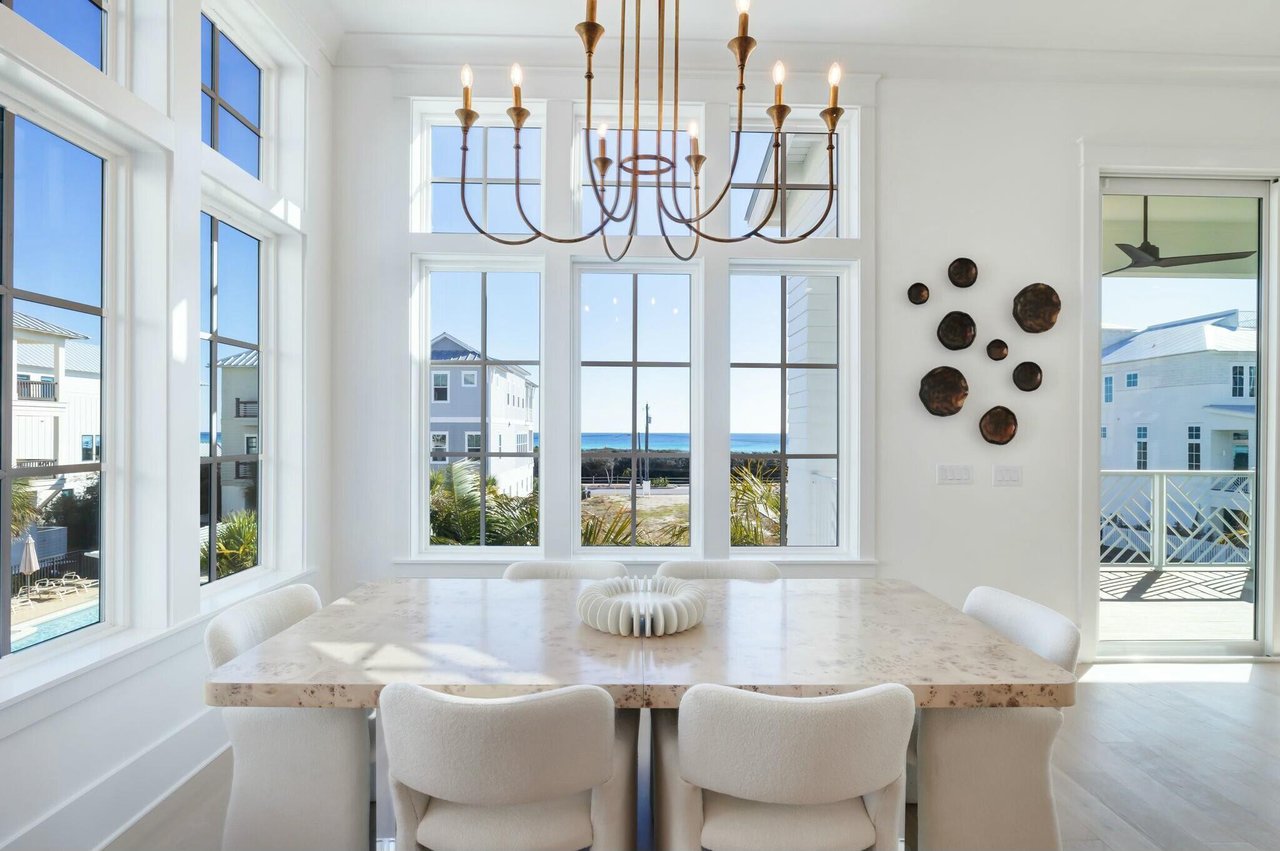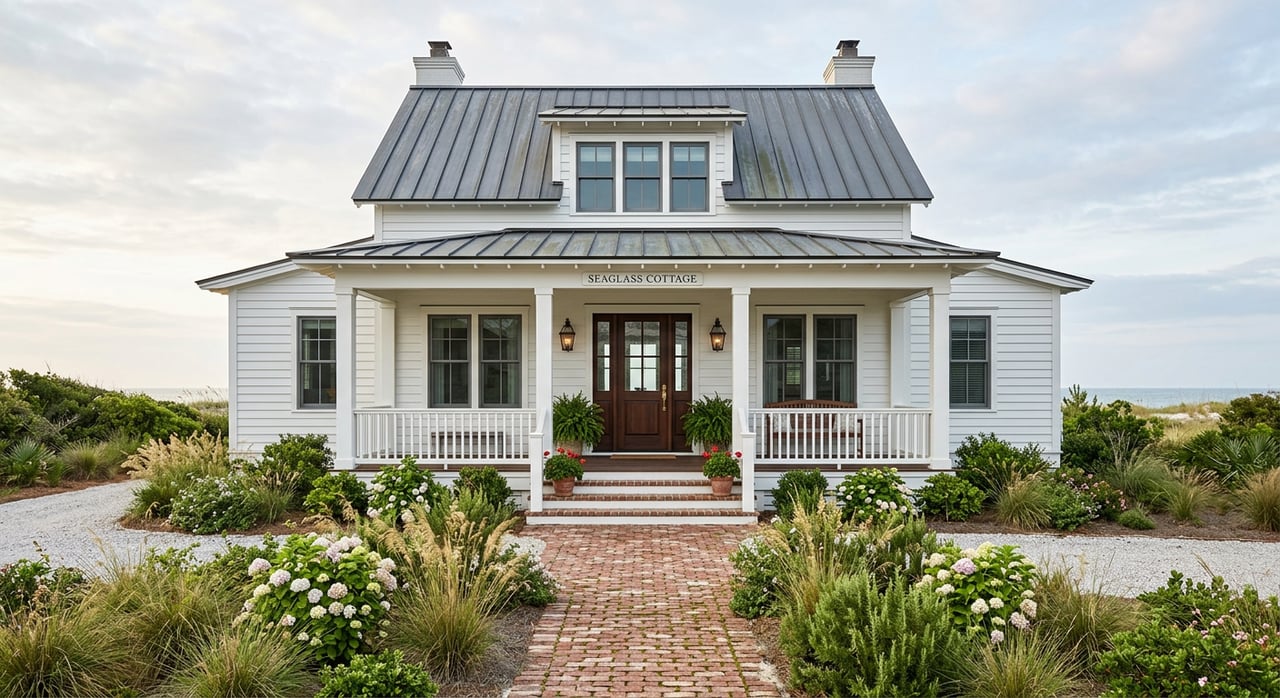
You might picture breezy porches, bike rides to the beach, and a simple lock‑and‑go lifestyle. In Seaside, those scenes are real, and that charm is exactly why cottages here are in such high demand. Before you buy, it helps to understand how Seaside’s design rules, HOA structure, rental requirements, and coastal insurance realities shape both your experience and your budget. This guide shows you what to look for, what to ask, and how to plan a smooth, confident purchase. Let’s dive in.
Why Seaside cottages are different
A New Urbanist town by design
Seaside is an 80‑acre, master‑planned community on Scenic Highway 30A known for its walkability, front porches, and intimate streets. Its character comes from a form‑based code crafted by DPZ, which sets building types, lot categories, and how homes meet the street. If you want a deep primer on why homes look and function the way they do here, start with this overview of Seaside’s planning approach from DPZ’s work and research on form‑based codes in Seaside (background on Seaside’s form‑based code).
What that means for you as a buyer
Expect narrow lots, cottages set close to the street, and generous front porches that define neighborhood life. Beach‑facing lots often use elevated foundations that improve storm resilience. Many homes have alley access with limited on‑site parking, so review the site plan and any recorded parking easements. Exterior paint, fencing, and mechanical screening are typically subject to architectural review, so factor that into any update plans.
Plan for architectural review
Seaside relies on recorded design standards and an Architectural Review Committee. If you anticipate exterior work, ask for the lot’s applicable Seaside Code excerpt, any past approvals, and the review process and timing for your parcel. The process is more structured than a typical subdivision, which protects neighborhood character and can affect your timeline and budget (overview of design review and enforcement).
Understand HOA structure and governance
Not a single HOA playbook
Seaside’s residential neighborhoods operate under nine recorded declarations that coordinate through a representative Seaside Town Council for administration. Separately, the developer entity (Seaside Community Development Corp., or SCDC) retained authority in some commercial or public areas like Town Center and the Lyceum. Rights and enforcement can vary by declaration and location, so do not assume one set of rules applies to every parcel. A Florida appellate decision outlines this split and the importance of the correct governing documents (governance nuance and court record).
Documents to request early
Ask the seller or title company for:
- Recorded CC&Rs, bylaws, and all amendments for your specific lot.
- Architectural guidelines and any past ARB approvals or variances.
- Current HOA budget, meeting minutes, and special assessment history.
- Any neighborhood‑specific rules on parking, exterior materials, and landscaping. These items show what you can change, how rentals are handled, and what dues and assessments may look like.
Short‑term rentals and taxes
County registration and compliance
If you plan to rent your cottage, Walton County requires registration under its Vacation Rental Registration Program. You will file annually, pay fees, provide a responsible‑party affidavit, and meet safety documentation standards. Start early to align inspections and go‑live dates with your closing timeline (Walton County rental registration requirements).
Private rules can be stricter
Even when county rules allow short‑term rentals, your CC&Rs may set tighter standards on rental activity, occupancy, parking, or amenity use. Ask for the exact rental language in your declaration and any neighborhood policies. Treat CC&Rs as binding contracts and verify them during your inspection period.
Taxes you need to plan for
Short‑term rentals must collect and remit Florida state sales tax and the Walton County Tourist Development Tax where applicable. Some platforms collect certain taxes, but owners remain responsible for full compliance. Confirm collection, filing frequency, and recordkeeping with the county and the state before you accept bookings.
Flood, permits, and insurance
Coastal work needs careful permitting
Much of South Walton lies in Special Flood Hazard Areas, and Walton County’s Floodplain Management checklist governs coastal builds and renovations. Depending on your zone, you may need elevation certificates based on plans, flood openings, breakaway wall details, a V‑Zone certificate, and foundation certification to the Base Flood Elevation. The county often requires finished floors at BFE plus one foot. These standards affect structure type and total project cost (Walton County floodplain checklist).
Projects seaward of the Coastal Construction Control Line require state permits with tighter limits. Order a survey that clearly shows the CCCL, dune lines, and any easements before you finalize plans.
Flood insurance under Risk Rating 2.0
FEMA’s Risk Rating 2.0 changed how flood insurance is priced under the National Flood Insurance Program. Premiums are now property‑specific and consider distance to water, elevation, structure features, and replacement value. Two nearby cottages can have very different premiums, so request NFIP and private flood quotes early in your due diligence (FEMA Risk Rating 2.0 overview).
Wind and homeowners coverage in Florida
The coastal insurance market is dynamic. Carrier availability and pricing vary by address and construction type. Obtain homeowners, wind, and flood quotes for the exact parcel before you commit. If private carriers are limited, Citizens Property Insurance may be an option, though terms and premiums differ.
Taxes and ongoing costs
Property taxes and TRIM basics
Walton County issues TRIM notices that show your parcel’s assessed value and millage for multiple taxing districts. Property tax burdens vary by location and improvements, so request the seller’s latest tax bill and the parcel’s TRIM summary during your inspection period. Review them to understand your baseline and any exemptions or changes you should expect at reassessment (Walton County TRIM overview).
HOA dues and assessments
Dues and reserve policies differ by neighborhood declaration. Read current budgets and recent minutes to gauge assessment risk and near‑term projects. Exterior standards and ARB expectations can drive predictable maintenance cycles, which is helpful for planning if you model them over five years.
Market snapshot and timing
Seaside and the broader South Walton area are high‑value second‑home and rental markets with limited inventory. Recent activity in the 32459 zip shows median sale prices in the seven‑figure range. Use current neighborhood‑level MLS reports to pin down value and competition for any target cottage. Your offer strategy should reflect the home’s location, lot type, architectural history, and rental profile.
Your due diligence checklist
Document requests
- Recorded CC&Rs, bylaws, amendments, and architectural guidelines for your lot.
- Past ARB approvals, as‑builts, and any recorded variances.
- Current HOA budget, reserve info, and any special assessments in process.
- Last 12 months of tax bills and the TRIM summary for the parcel (TRIM reference).
- Elevation certificate or permission to obtain one, plus a FEMA flood‑zone lookup and quotes for NFIP and private flood coverage (Risk Rating 2.0 overview).
- Rental disclosures, including bookings and whether the home is registered under Walton County’s VRRP (rental registration requirements).
Budget and feasibility checks
- Flood, wind, and homeowners insurance quotes for the exact address.
- HOA dues and a five‑year view of likely exterior maintenance or ARB‑driven upgrades.
- Permit path for any planned renovation, including a pre‑application with Walton County if you are in or near a flood zone or the CCCL (floodplain checklist).
- Survey that shows lot lines, easements, dune lines, and the CCCL, if applicable.
The bottom line
Seaside’s beauty is intentional, and its rules and review process are part of what protect your investment. The two most important steps are confirming the exact declaration and ARB history for your parcel and getting early, address‑specific insurance quotes under Risk Rating 2.0. Do that, and you will enter the market with clear eyes on cost, timing, and potential. When you are ready to refine targets, compare rental profiles, or line up due diligence, connect with Lynne Andrews Luxury Collective to schedule a personalized consultation.
FAQs
What makes Seaside’s design rules unique?
- Seaside uses a form‑based code that controls building types, placement, and porch‑to‑street relationships, with exterior changes reviewed by an architectural committee (planning background).
Is there one HOA for all Seaside cottages?
- No. Nine neighborhood declarations govern most residential areas, while the developer retained authority in some commercial zones, so rules and enforcement can vary by parcel (governance overview).
Can I operate a short‑term rental in Seaside?
- Often yes, but you must register with Walton County’s VRRP and follow CC&R rules that may be stricter than county standards, including occupancy and parking policies (county VRRP details).
How does FEMA’s Risk Rating 2.0 affect flood insurance?
- Premiums are now property‑specific, based on factors like elevation and distance to water, so two nearby cottages can have different costs; get NFIP and private quotes early (Risk Rating 2.0).
What permits do I need for coastal renovations?
- Walton County requires floodplain compliance items like elevation certificates and may require state permits if work is seaward of the CCCL; review the county checklist and plan timelines accordingly (floodplain checklist).