Picture yourself stepping out your front door and strolling to coffee, the beach, and dinner without getting in a car. If you crave a walkable, design-forward coastal town where daily life feels easy and social, Rosemary Beach Town Center might be a fit. In this guide, you’ll learn how a typical day unfolds, how people get around, what the housing looks like, and the practical details buyers and investors ask about. Let’s dive in.
Town Center at a glance
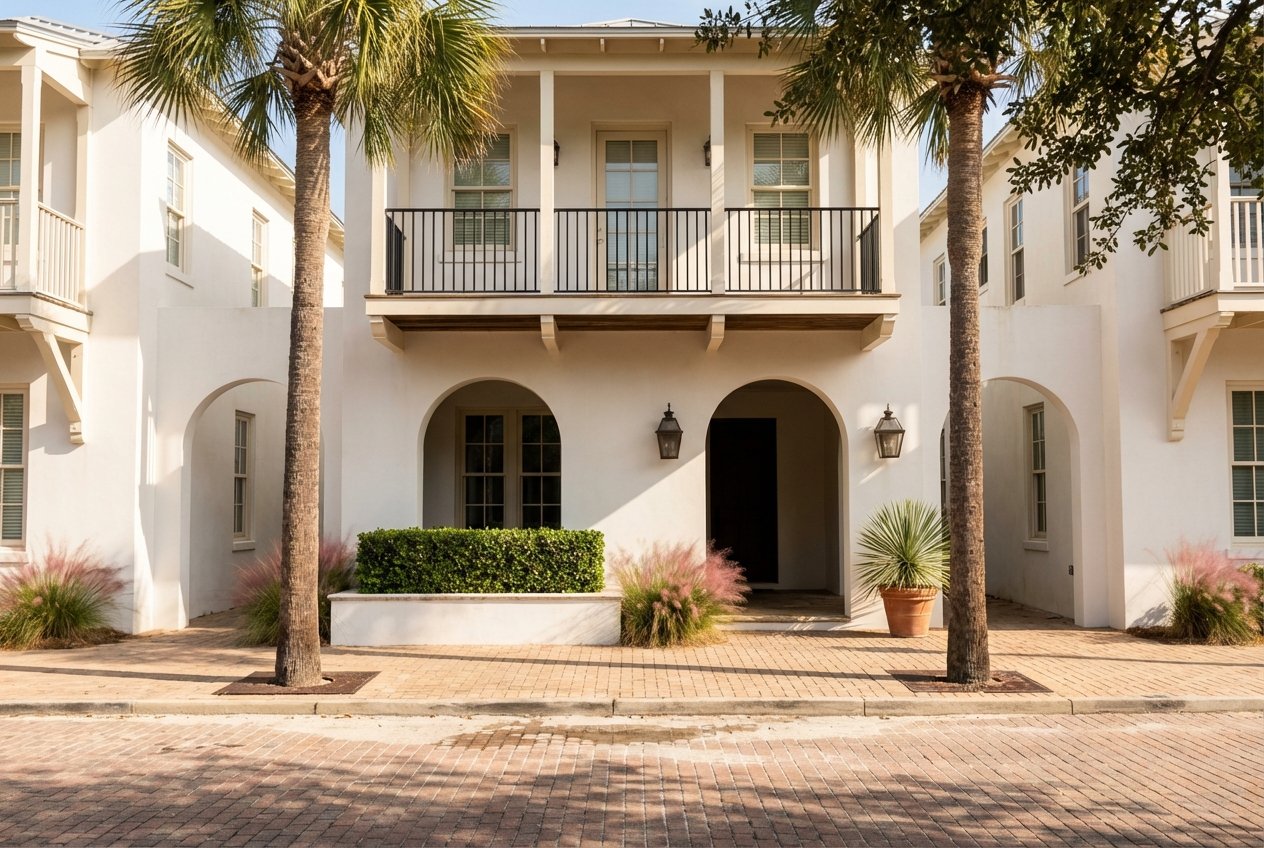
Rosemary Beach is a New Urbanism community planned for walkability, with cafés, boutiques, and restaurants clustered around greens and courtyards. The intimate scale makes everyday errands feel close and personal. You’ll notice cobbled lanes, porches, and gas lanterns that give the town its signature character. Learn more about the town’s planning and public spaces on the community’s history page at the official site of Rosemary Beach. The design-first origin story and amenities are outlined here.
In the heart of Town Center, small merchants create a true “on foot” rhythm. Coffee shops, rooftop dining, and curated boutiques are all steps apart, which keeps the streets lively from morning through evening. The official Town Center directory lists the cafés, restaurants, and shops that anchor daily life. Browse the Town Center merchants for a feel of what’s on your doorstep.
A day in Rosemary Beach
Morning coffee and market vibes
Many days start with a short walk to Barrett Square for coffee and a quick bite. Locals and visitors gather at neighborhood cafés, lingering on patios before heading to the beach. On select weekends, a community market sets up on the square, adding produce, baked goods, and local finds to your morning routine. For seasonal timing and a sense of the scene, see this overview of things to do in Rosemary Beach. A Sunday market on Barrett Square is often noted by local guides.
Midday bikes, beach, and boutiques
From Town Center, you can walk to dune walkovers and be on the Gulf in minutes. Many residents use bikes for everyday trips and for longer rides along the paved Timpoochee Trail, the 18 to 19 mile multi-use path that runs the length of 30A. It’s common to blend a beach session with a casual ride to nearby towns like Alys or Seaside. For errands, curated boutiques and a bookstore are a short stroll, though you’ll drive to larger grocery stores outside the compact center. Get the Timpoochee Trail overview and map here.
Evenings on greens and rooftops
As the sun drops, the center shifts to relaxed evenings. Rooftop lounges and courtyard restaurants host sunset cocktails and live music. Public greens turn into informal gathering places, with seasonal concerts and outdoor movie nights that draw people onto blankets after dinner. For a snapshot of these spaces and dining anchors, scan the official Town Center listings. See the restaurants, rooftop lounges, and greens that shape evenings.
Outdoor access and mobility
Beach walkovers and access
Homes and Town Center sit a short walk from the beach, connected by boardwalks and dune walkovers. Access points are commonly managed by the community or rental programs using wristbands or codes. Florida law treats the wet sand seaward of the mean high-water line as public, while communities often manage the entrances and walkovers. The nuance matters when you compare properties and their convenience to the sand. Read a background summary on the town and beach context.
Timpoochee Trail and bike culture
Biking is part of daily life. The Timpoochee Trail parallels County Road 30A for roughly 18 to 19 miles, linking Rosemary Beach to other coastal towns. Many people use bikes for short hops to dining, coffee, and neighboring communities, which keeps the pace low-key and the streets active. Review the trail’s details and family-friendly routing.
Pools, parks, and racquet options
Beyond the beach, the community offers landscaped greens, pocket parks, multiple pools, and racquet facilities. These amenities create variety for weekend rhythms and give you outdoor options in any season. Community history pages outline the planned public spaces and amenities.
Homes and architecture
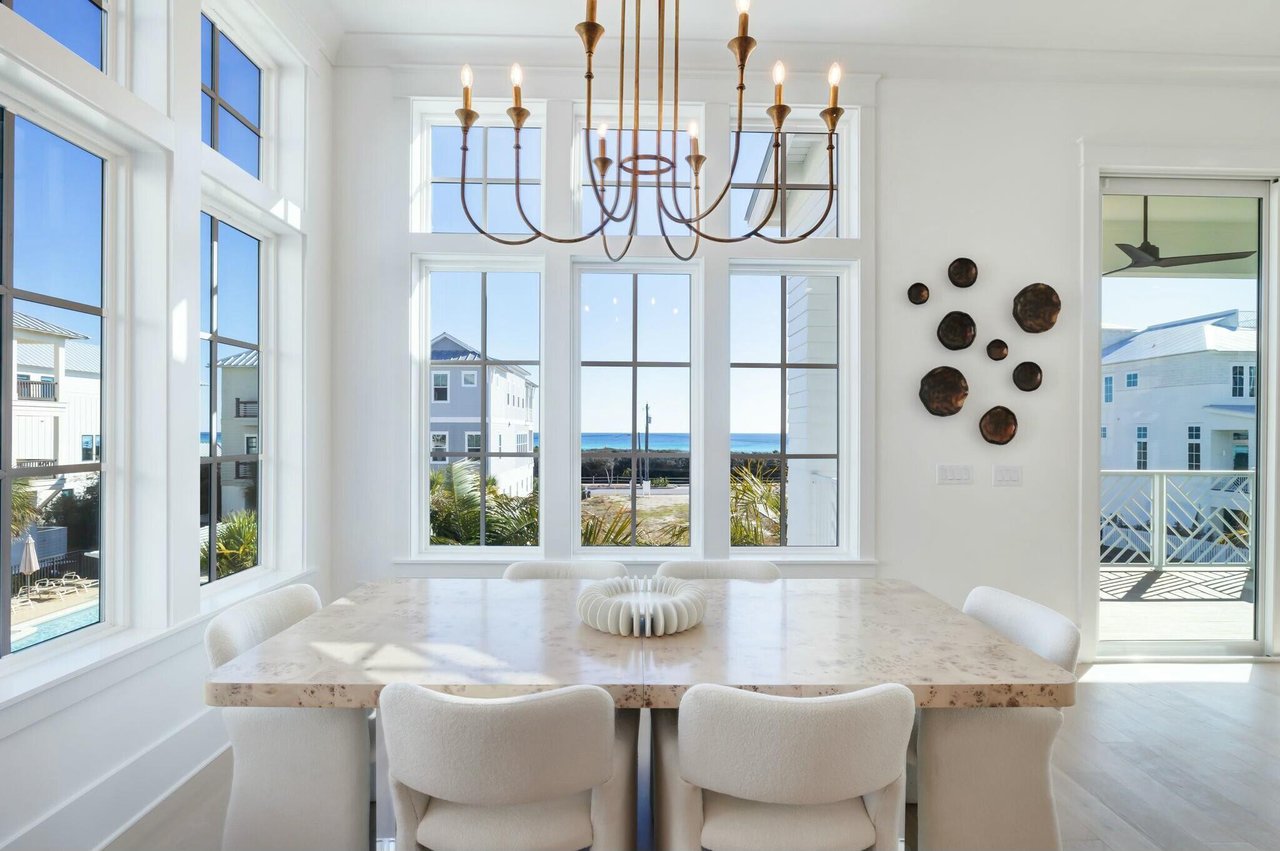
Rosemary Beach follows architectural guidelines that keep the look cohesive and timeless. You’ll see Caribbean and Dutch West Indies influences, narrow lanes, and generous porches. Housing options range from single-family cottages and townhouses to carriage-house units and mixed-use flats near the center. The community’s design story and place-making details are documented here.
What this means for you: streetscapes feel ordered and elegant, and even smaller lots live larger because of porches and pedestrian lanes. Buyers who value aesthetics and a strong sense of place often put Rosemary Beach high on the list.
Market context and budgeting
At a ZIP-level view that includes Rosemary Beach and nearby areas, Redfin reported a median sale price near 1.3 million dollars in early 2026 for 32461. Treat that as directional only, since the ZIP mixes condos, carriage houses, and Gulf-front homes and the sample size can be small. See a representative Redfin snapshot referenced for ZIP 32461.
In practical terms, you can expect a wide range by building type, location, and beach access. Some non-Gulf condos trade in the high six figures, while renovated Gulf-front homes reach multiple millions. For current comps, absorption, and property-level nuance, align your search with live MLS data and a local advisor who tracks this micro-market week by week.
Rentals, HOAs, and owner realities
Rosemary Beach properties are governed by a property owners association with deed restrictions that preserve scale and appearance. Many homes and condos are positioned for short-term rental, which can offset carrying costs. If you plan to rent, Walton County requires a vacation rental certificate, a designated local responsible party, life-safety compliance, posted occupancy limits commonly calculated at one person per 150 square feet, and display of the certificate number in advertising. Review Walton County’s vacation rental requirements and FAQs.
Key takeaways for investors and second-home owners:
- Confirm whether the specific building or HOA permits short-term rentals and any minimum-stay rules.
- Budget for POA dues and city or county taxes that apply to rentals.
- Plan your marketing and management approach early so peak-season dates are positioned for performance.
Getting around and airports
Day to day, most essentials in Town Center are a 2 to 10 minute walk. Many residents keep a car for grocery runs and regional errands, since parking in the center and along 30A can be tighter in peak season. Golf carts appear in parts of 30A, though walking, biking, and driving cover most needs. Town Center planning details reinforce the pedestrian-first experience.
For travel, Northwest Florida Beaches International Airport (ECP) is the closest commercial airport, roughly a 20 to 35 minute drive depending on route and traffic. Destin–Fort Walton Beach Airport (VPS) is another option, usually about 1 to 1.5 hours away. Flight options can shift seasonally, so check schedules when you plan trips. Here’s a simple overview of airport choices and distances.
Nearby 30A day trips
Part of the appeal is how easily you can expand your world beyond Rosemary Beach. A short ride on the Timpoochee Trail takes you to Alys Beach for architectural eye candy or to Seaside for its classic town square and casual food stands. WaterColor, Seagrove, and Grayton add parks, art, and laid-back coastal scenes. Use the Timpoochee Trail as your low-stress connector along 30A.
Is Town Center right for you?
If you want a walkable coastal hub where mornings start with coffee on the square and end with music on the green, Rosemary Beach Town Center delivers. If you also value cohesive architecture and curated amenities, the fit gets even stronger. Investors will appreciate the rental infrastructure and demand drivers, while end users gain a polished, easy-to-love beach base.
When you are ready to explore on-the-ground opportunities, align with a marketing-driven, hospitality-minded team that knows how to position lifestyle and return. Connect with the Lynne Andrews Luxury Collective for a personalized tour, current comps, and an investment-aware plan.
FAQs
Can you live in Rosemary Beach year-round?
- Yes. Many residents are full-time, though population scales in peak seasons. Validate your needs for groceries, services, and medical care against your routine. Community context is outlined here.
How is beach access managed in Rosemary Beach?
- Boardwalks and dune walkovers are commonly managed by the community or rental programs with wristbands or codes. Florida treats wet sand below the mean high-water line as public. Read a background summary.
Do I need a car if I live in Town Center?
- Many daily needs are walkable or bikeable, but most residents keep a car for larger grocery trips and regional errands. Parking can be tighter in peak seasons, so plan accordingly. Town Center planning details.
What should investors know about short-term rentals?
- Walton County requires a vacation rental certificate, a local responsible party, life-safety checks, occupancy limits, and posting the certificate number in ads. Check HOA rules before you buy. Review county FAQs.
What are typical home types near Town Center?
- You’ll find cottages, townhouses, carriage-house units, condos, and mixed-use flats, all guided by community design standards. See the design and planning overview.