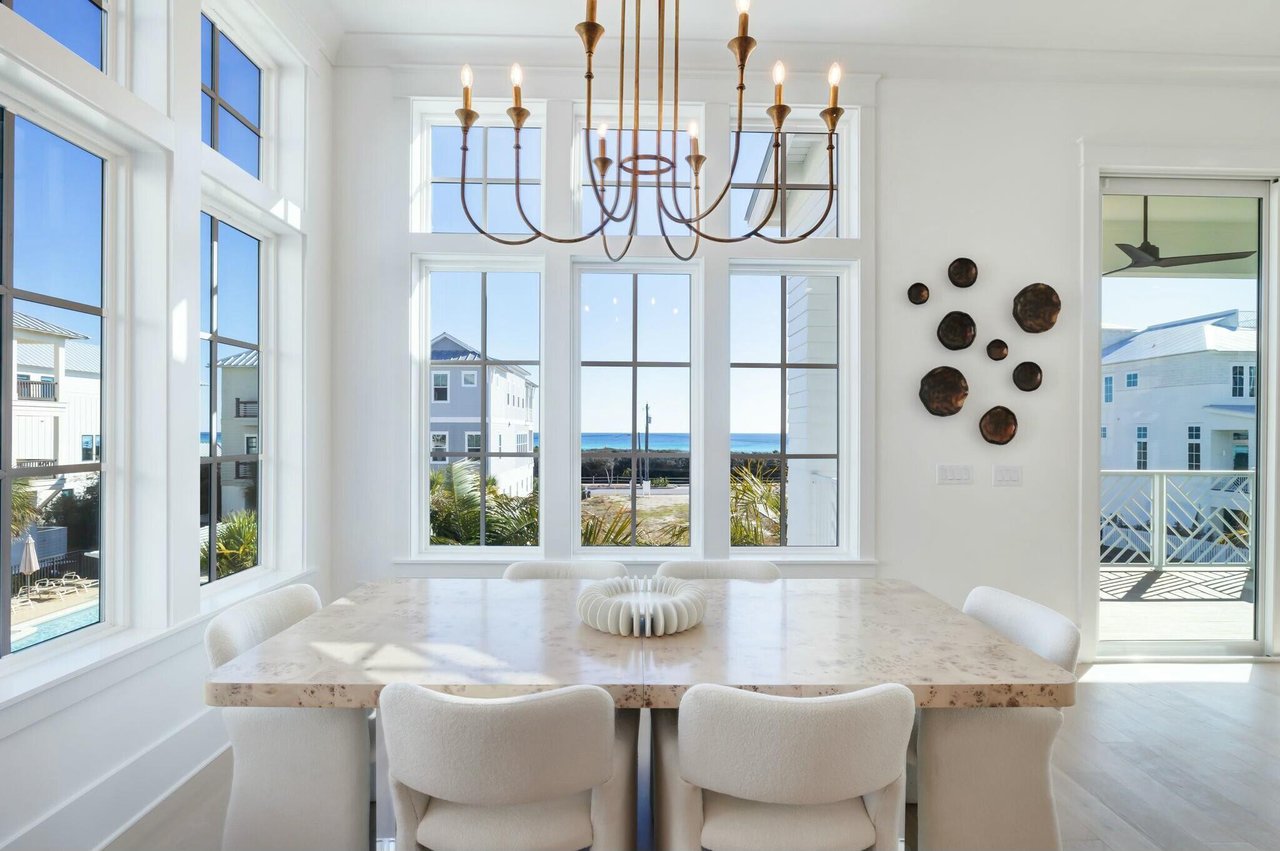
Torn between WaterColor and Seaside on 30A? You are not alone. Both offer Gulf access, postcard views, and strong name recognition, yet the day-to-day vibe is very different. In this guide, you will learn how each community lives, what to expect as an owner, and how to choose based on your lifestyle and goals. Let’s dive in.
Quick take: Which fits you?
- Choose Seaside if you want a compact, highly walkable town center with iconic cottage architecture, lively events on the green, and quick strolls to restaurants and shops.
- Choose WaterColor if you want resort-style amenities, multiple pools and programs, family-friendly activities, and private beach access areas within a larger residential community.
Sense of place and design
Seaside: Walkable town core
Seaside is a seminal New Urbanist town known for its nostalgic pastel cottages, connected streets, and a central lawn that anchors community life. Homes cluster around porches and pedestrian paths, with shops and restaurants steps away. Strict architectural review helps preserve its scale and aesthetic. For background on the design and current events, visit Seaside’s official site.
WaterColor: Resort-style neighborhoods
WaterColor pairs residential neighborhoods with a resort mindset. It is larger than Seaside, with pocket parks, lakes, trails, and a mix of pools and managed amenities. The layout encourages biking and strolling inside the community, with a focus on programmed activities for all ages. Explore amenities and services on the WaterColor Resort & Residences site.
Housing and ownership
Architecture and home types
Seaside offers mostly small to medium single-family cottages and a limited number of townhomes or condos near the core. Street-facing facades and porches define the look. WaterColor provides a broader mix, from single-family homes on varying lot sizes to townhomes, condos, and villas. Both communities tend to command premium pricing compared to the broader 30A market.
HOA and design review
You should expect HOA covenants in both communities. Seaside is known for strict design review that protects the original style, which can affect renovation timelines and exterior changes. WaterColor also maintains architectural standards and neighborhood rules that vary by property type. Ask for covenants and guidelines early so you understand approvals and timelines before you make an offer.
Lifestyle and amenities
Beach access and nature
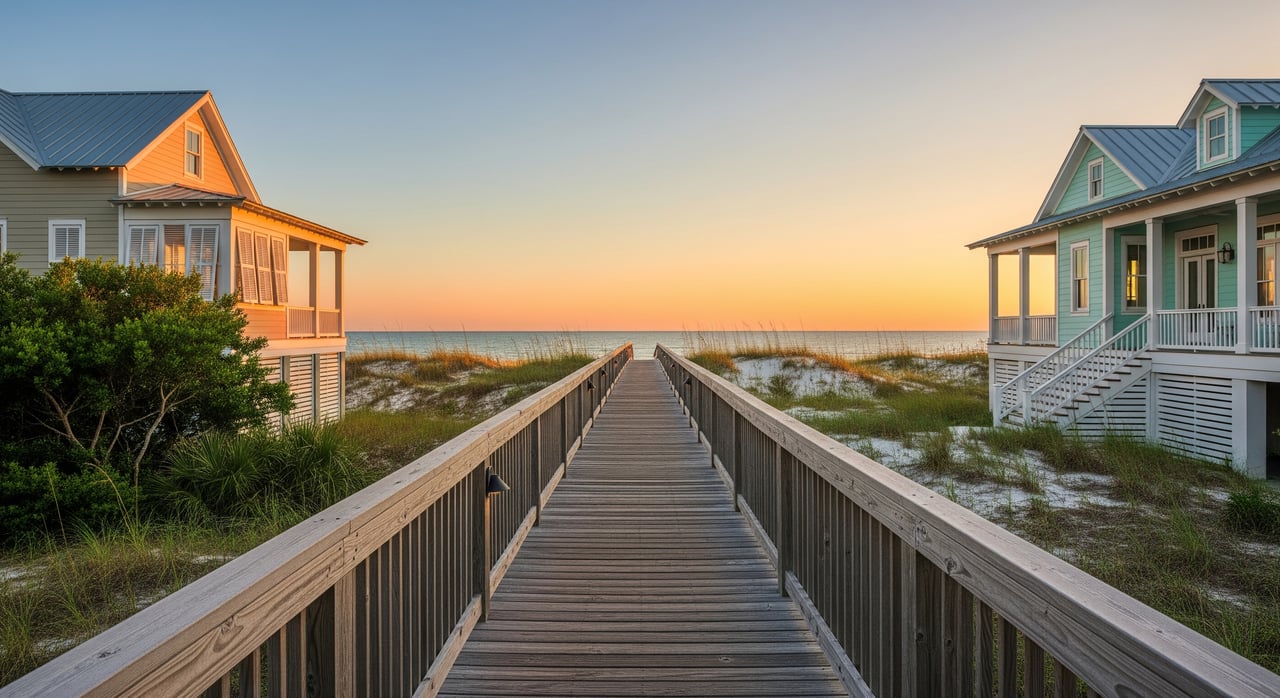
Both communities provide convenient Gulf access. Seaside’s beach access is tied to its pedestrian network and town center, which keeps daily routines simple and close. WaterColor uses private, resort-managed access points with dune crossovers and walkways that may be tied to resident or rental privileges. WaterColor also weaves in natural areas, lakes, and trails, with Shunk Gulley Nature Preserve nearby.
Dining and entertainment
In Seaside, dining, shopping, and cultural activity cluster around the core, so you can walk to most experiences. WaterColor has on-site options, yet you may bike or drive to nearby hubs for greater variety. Many residents of both communities enjoy easy access to surrounding 30A spots.
Recreation and programming
Seaside’s events calendar leans into concerts, film nights, and markets on the green. WaterColor emphasizes pools, tennis and pickleball, nature programming, and children’s camps. If you want a program-rich resort rhythm, WaterColor is a strong match. If you love spontaneous evenings on a town lawn, Seaside delivers that classic 30A feel.
Walkability and getting around
Seaside is among the most walkable communities on 30A. You can reach daily needs on foot or by bike. WaterColor is very walkable inside neighborhoods, yet centralized retail often means a short bike ride or drive. Both areas see seasonal traffic; confirm parking availability and rules for your specific property.
Rental potential and rules
Short-term rentals are common along 30A, but the details vary by property, HOA, and local rules. Some neighborhoods have minimum stays or other restrictions, and owners or managers must comply with state and local transient rental tax requirements. Before you buy, confirm the HOA’s rental policies and check county-level regulations through Walton County Government and tourism guidance from the Walton County Tourist Development Council. If rental income is a goal, speak with at least two local property managers to understand seasonal demand and realistic revenue.
Practical costs and risk
HOA fees and services
Expect HOA fees in both communities. Fees typically support landscaping, common areas, pools, and administration of architectural standards. Request budgets, reserve studies, and recent meeting minutes to understand potential assessments and planned projects.
Flood zones and insurance
These coastal communities include low-lying areas with flood risk. Review FEMA flood maps and any available elevation certificate for the property. If the home sits in a Special Flood Hazard Area and you finance with a federally regulated lender, flood insurance will likely be required. Visit the FEMA Flood Map Service Center and obtain quotes from local insurance agents to size premiums and consider wind mitigation features.
Utilities, taxes, and insurance
Confirm whether the property uses public sewer or septic and verify internet options, since service can vary by subdivision. For tax estimates, reference the Walton County Property Appraiser by parcel. Insurance costs depend on construction, distance to the coast, and claims history, so get local quotes early.
Families and schools
Both communities fall under the Walton County School District. Assignment depends on the property address and can change over time, so verify zones and distances with the Walton County School District. Many second-home owners choose private or seasonal options based on their needs and schedule.
How to choose your fit
Ask yourself these questions:
- Do you want a tight town center you can walk daily, or a resort environment with broader on-site programming?
- How important are private beach access points and managed amenities to your routine or rental strategy?
- Are you comfortable with strict architectural review, or do you want more variety in home types and lot sizes?
- Will your guests need easy on-foot access to dining and events, or will biking and short drives fit your plans?
Use this quick buyer checklist:
- Visit both communities at different times, including weekends and peak season, to see traffic and activity.
- Request HOA covenants, design guidelines, budgets, reserves, and recent meeting minutes.
- Verify FEMA flood zone and obtain insurance quotes before writing an offer.
- Speak with at least two local property managers if rental income matters.
- Ask a local lender to estimate total monthly costs, including insurance and any flood policy escrow.
- Confirm utilities for the parcel, including sewer or septic, and internet providers.
- Check parking rules for both owners and guests.
- If schools matter, confirm zones with the district.
What’s next
Both WaterColor and Seaside deliver a signature 30A lifestyle, just in different ways. Seaside shines with an intimate, walkable village and a timeless look that supports long-term value. WaterColor offers a larger canvas with resort amenities, trails, and family-focused programming that can pair well with a turnkey second-home plan. If you are balancing lifestyle and investment goals, thoughtful due diligence will help you match the right home to your vision.
For tailored guidance, market context, and a concierge purchase plan, connect with the Lynne Andrews Luxury Collective. We pair elevated marketing with practical rental insight to help you choose and position a property that fits your life and performs over time.
FAQs
How do WaterColor and Seaside compare for walkability?
- Seaside offers a compact, pedestrian-first town center, while WaterColor is walkable within neighborhoods but often requires a short bike ride or drive to a concentrated retail core.
Are short-term rentals allowed in both WaterColor and Seaside?
- Short-term rentals are common along 30A, but rules vary by HOA and neighborhood; confirm property-specific policies and county requirements with Walton County Government before you buy.
What should I know about flood risk in WaterColor and Seaside?
- Both include low-lying coastal areas; check the FEMA Flood Map Service Center and obtain insurance quotes, since flood risk and premiums can materially impact ownership costs.
What HOA rules affect remodeling in Seaside vs WaterColor?
- Seaside is known for strict architectural review that preserves its style, and WaterColor also enforces covenants and design standards; request guidelines and approval timelines early.
How do beach access options differ between WaterColor and Seaside?
- Seaside integrates access with its town center and pedestrian paths, while WaterColor typically uses resort-managed private access points tied to resident or rental privileges.
What should investors consider when choosing between the two?
- Evaluate HOA rental policies, realistic seasonal occupancy with local managers, and total ownership costs, including insurance and fees; both communities have strong brand recognition that can support demand.