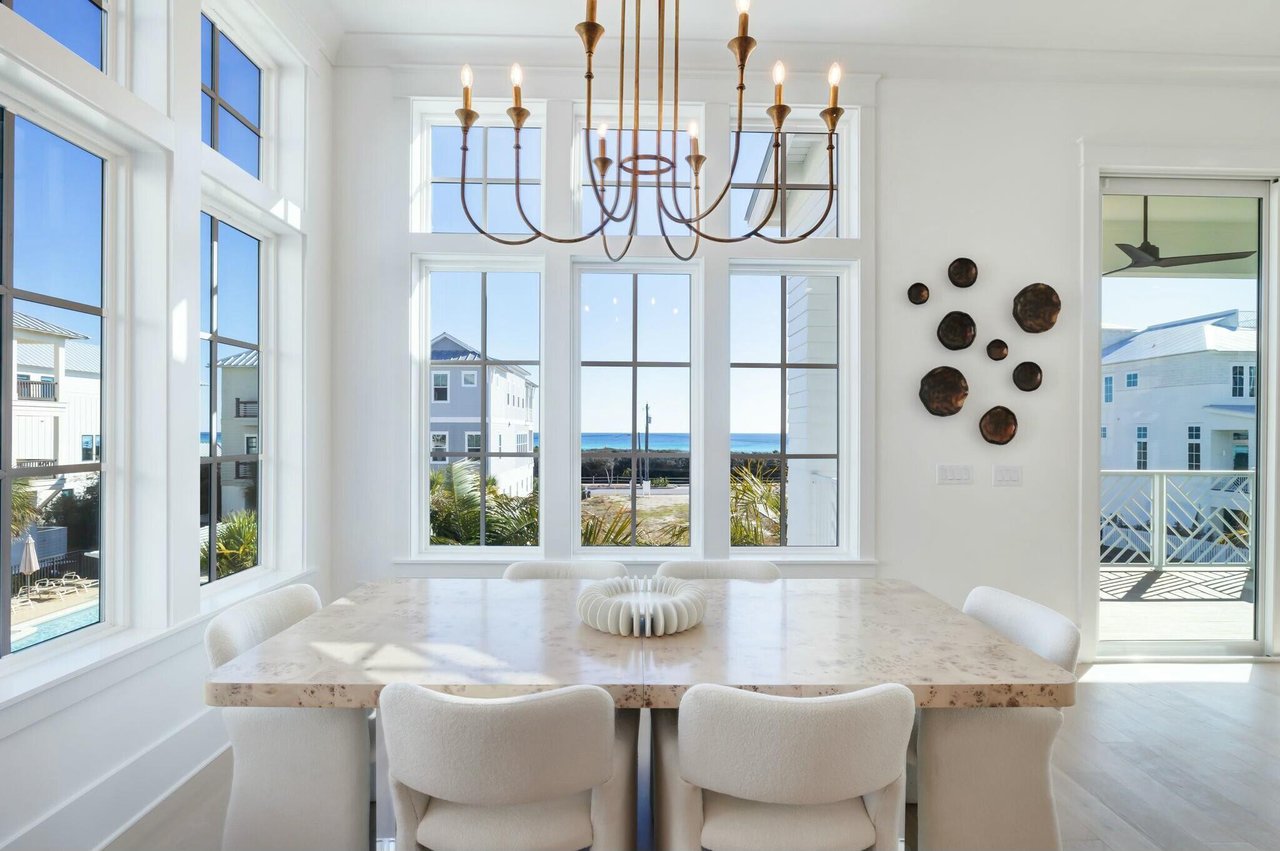
Is the steady rise of new homes near Dune Allen catching your eye? If you are weighing a modern beach retreat or an income-focused property, it pays to understand what is driving today’s builds along 30A. In this guide, you will learn the design features buyers expect, the rules that shape what you can build, and the costs and timelines to plan for. You will also see how to position a property for both lifestyle and rental performance. Let’s dive in.
Why Dune Allen new builds stand out
Dune Allen sits at the western gateway of South Walton, close to beaches, dining, and recreation along Scenic 30A. Limited developable land and strong second‑home and rental demand keep interest high. New construction often competes well because it blends coastal durability with modern amenities that reduce maintenance and improve comfort. If you are buying for lifestyle or rental yield, that mix matters.
Resilient coastal construction
Elevation and floodplain basics
Much of coastal Walton County lies within FEMA Special Flood Hazard Areas. Before you design, confirm your lot’s flood zone and base flood elevation using the FEMA Flood Map Service Center. Elevated living areas, breakaway ground floors, and pilings are common solutions that help meet code and support insurability. Elevation choices affect cost, timeline, and long‑term risk.
Wind and hurricane standards
Florida’s coastal codes require wind‑resistant systems from the roof down. Expect hurricane‑rated windows and doors, continuous load paths, and robust roof tie‑downs that meet the Florida Building Code. These features can improve insurance eligibility and reduce storm damage. Documented compliance is often required by lenders and carriers.
Materials that last
Salt air and humidity drive material choices. Fiber‑cement siding, composite decking, corrosion‑resistant fasteners, and durable exterior finishes reduce upkeep. Inside, choose tile or luxury vinyl plank, moisture‑tolerant cabinetry, and washable paints to keep turnover costs down.
Energy and sustainability upgrades buyers expect
Efficiency must‑haves
High‑efficiency HVAC, quality insulation, LED lighting, and ENERGY STAR appliances are now standard asks in the area. Water‑saving fixtures and native or drought‑tolerant landscaping protect the coastal environment and cut irrigation needs. These upgrades improve comfort and can support better rental reviews.
Solar and storage
Interest in solar panels and battery storage is growing. Federal incentives may help offset costs, so review current rules on the IRS site for the residential clean energy credit. A pre‑wired conduit or roof plan that accounts for future panels can be a smart, low‑cost step if you are not installing on day one.
Layout and amenity trends
Indoor‑outdoor flow
Designs often feature large sliders, porches, and upper‑level decks to capture breezes and views while meeting setback and elevation rules. Outdoor showers, conditioned owner closets, and secure gear storage add daily utility. Simple, durable landscaping keeps salt and sand easy to manage.
Rental‑savvy layouts
For income potential, think bedroom count and privacy. Multi‑suite layouts, a bunk room, and a second living area increase flexibility. Consider a lock‑off owner’s closet and durable finishes that handle frequent turnover.
Smart‑home features
Remote access to thermostats, security, and leak sensors is becoming expected. Owner lockouts and keyless entry simplify management. Reliable Wi‑Fi infrastructure supports streaming, work, and smart devices.
Permitting and environmental rules
CCCL and dune protection
Coastal construction is shaped by the state’s Coastal Construction Control Line. If your lot is near the beach, coordinate early and review requirements through the Florida Department of Environmental Protection. Dune systems, vegetation, and setback protections may limit where and how you build. Early surveys save time later.
County permits and timelines
Walton County Planning and Development oversees local permitting and inspections. Coastal projects often require county approvals and, in some situations, state coordination, which can extend timelines during busy seasons. Start with permit checklists and guidance from Walton County Planning and Development.
Septic and utilities
Some areas rely on septic systems, which can affect density, siting, and the need for upgrades. Where sewer is available, plan for connection fees and timelines. Utility availability should be part of your early site due diligence.
Insurance and financing essentials
Coastal insurance costs vary with elevation, mitigation features, and storm history. Carriers will look for code‑compliant windows, roof attachments, and flood elevation certificates. Lenders may require construction‑to‑permanent loans and appraisers who understand seasonal markets, especially when rental income is part of your plan. Build in contingencies for premiums and timelines.
Modular and prefab momentum
To control schedule and quality, some builders use modular or prefab components. Off‑site fabrication can reduce weather delays and trim labor pressures while meeting Florida code. For background and industry trends, explore resources from the Modular Building Institute.
Planning timeline and budget checklist
- Define goals: lifestyle use, income focus, or both. Align design with your primary outcome.
- Verify the lot: survey, elevation, flood zone, dune line, setbacks, utilities.
- Assemble your team: architect or designer, local coastal engineer, builder, insurance broker, and lender.
- Budget with buffers: include site work, elevation, materials volatility, and permit fees.
- Plan for lead times: windows, doors, appliances, and HVAC can drive the critical path.
- Document and disclose: keep code compliance and elevation certificates organized for insurance and resale.
How to evaluate a Dune Allen lot
- Start with parcel and GIS records from the Walton County Property Appraiser to confirm boundaries and nearby utilities.
- Check the flood zone and base flood elevation using the FEMA Flood Map Service Center.
- If the lot is near the beach, review CCCL maps and guidance with the Florida Department of Environmental Protection.
- Walk the site with a local coastal engineer to flag soils, pilings, and drainage needs early.
What this means for sellers of new builds
If you plan to list a newly built or nearly finished home, organize permits, elevation certificates, wind‑mitigation reports, and product specifications. Consider clear timelines for punch‑list items and, when appropriate, escrowed completion terms. Highlight resilient features, energy efficiency, and rental‑ready design to reach both lifestyle and investor buyers.
Work with a concierge advisor
New construction near the dunes rewards careful planning. A local, marketing‑first advisor can help you secure the right lot, evaluate rental potential, and position your property for long‑term value. If you are considering a build or a newly constructed purchase near Dune Allen, connect with Lynne Andrews Luxury Collective to align your design, investment, and lifestyle goals. Schedule a Personalized Consultation.
FAQs
How does flood zoning affect a new build near Dune Allen?
- Verify your lot’s flood zone and base flood elevation through the FEMA Flood Map Service Center. Elevation and mitigation steps influence insurance and lending.
What permits are required in Walton County for coastal homes?
- Most projects require county building permits, and some need state coordination near the beach. Start with Walton County Planning and Development for current checklists and timelines.
Can I build seaward of the dunes near Dune Allen?
- Construction near or seaward of the coastal control line may require state review. Consult the Florida Department of Environmental Protection early in planning.
Are short‑term rentals allowed in new homes near 30A?
- Rules vary by neighborhood, HOA, and county ordinance. Confirm local regulations and any association covenants before underwriting rental income.
What energy incentives apply if I install solar on a new home?
- Review current federal benefits on the IRS site for the residential clean energy credit. Your installer and tax professional can help assess eligibility.
Where can I check long‑term coastal risk for a Dune Allen property?
- Use the NOAA Sea Level Rise Viewer together with FEMA flood maps to understand exposure and plan resilient design.
What hurricane standards govern new builds along 30A?
- New homes must comply with the Florida Building Code, which includes wind loads, roof tie‑downs, and impact‑rated components suitable for coastal zones.