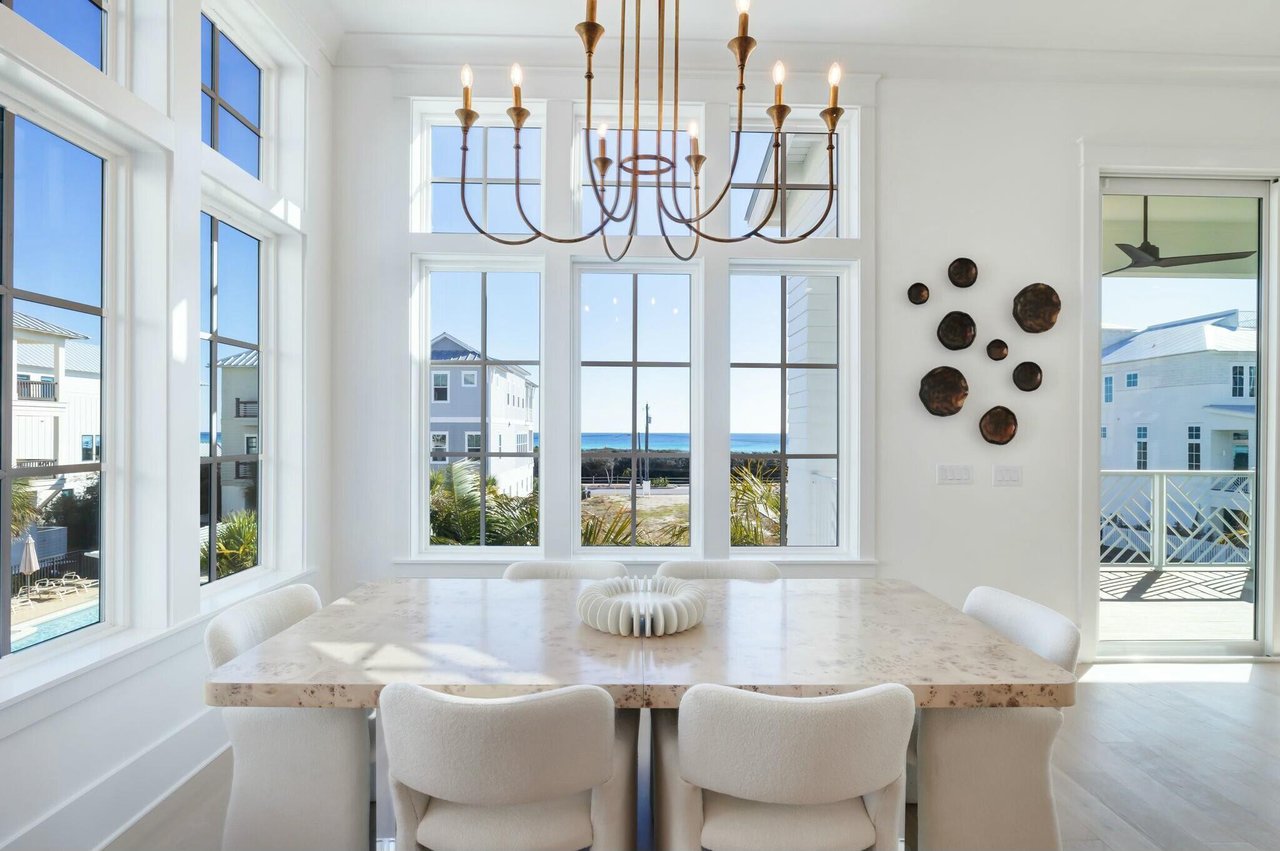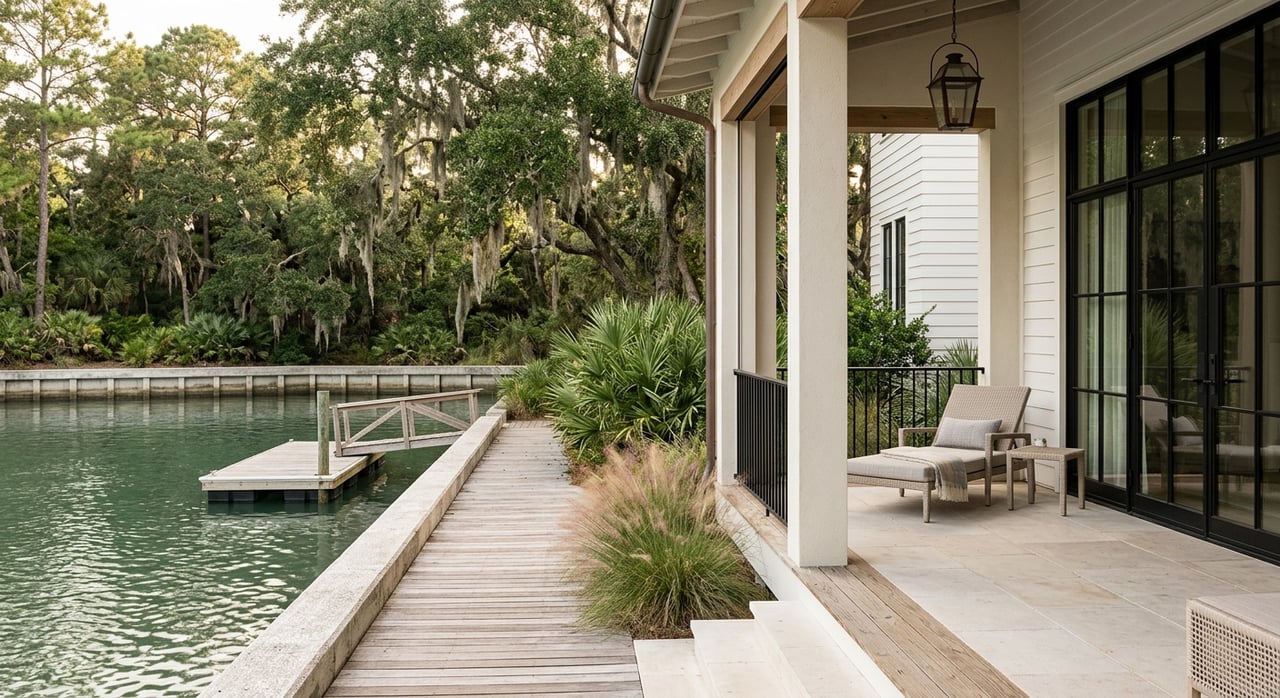
If you are deciding between a bayfront home and a forest-adjacent home in Point Washington, you are really choosing between two distinct ways to live on the Emerald Coast. One puts the water at the center of your day. The other puts privacy, canopy, and conservation at the center of it. If you understand how Point Washington is shaped, you can make a smarter decision that fits both your lifestyle and your long-term plans. Let’s dive in.
Why Point Washington Feels Different
Point Washington is not a typical coastal subdivision. According to Walton County’s Historic Point Washington Neighborhood Plan update, the area dates to about 1880 and is guided by a plan designed to preserve historic structures, neighborhood character, and its unique development pattern.
That planning context matters when you buy here. The county describes a neighborhood of mostly half-acre parcels with single-family homes, along with Eden Gardens State Park and a small number of civic uses. The same plan also adds development compatibility standards, dark-sky lighting, enhanced tree protection, and design guidance, which helps explain why Point Washington feels more rooted and less formulaic than many newer coastal communities.
Bayfront Homes: Water-First Living
If your ideal day starts with looking out over the bay, launching a paddleboard, or getting on the boat quickly, bayfront or bay-adjacent living may be the better fit. In Point Washington, these homes are tied closely to Choctawhatchee Bay and Tucker Bayou, where open views and direct access shape the experience.
Nearby public access adds to that convenience. The area includes the Point Washington Boat Ramp, Cessna Landing Park, and Thomas Pilcher Park, which offers four boat ramps, six docks, and a 380-foot fishing pier. At Eden Gardens State Park, you can also find a canoe-kayak launch and fishing from the dock on Tucker Bayou.
Best Reasons to Choose Bayfront
Bayfront living tends to appeal to buyers who want:
- Open water views
- Fast access to boating and paddling
- A stronger connection to fishing and waterfront recreation
- A daily lifestyle centered on sunset, breeze, and visibility
Even if a home does not have every boating feature on site, the nearby public launch options make water recreation easier in this part of Walton County.
Bayfront Tradeoffs to Plan For
The biggest tradeoff is exposure. FEMA notes that coastal communities can face storm surge, waves, erosion, and flooding, and that properties in a Special Flood Hazard Area have at least a 26% chance of flooding during a 30-year mortgage.
For that reason, bayfront buyers should review flood maps, elevation, insurance costs, and shoreline resilience early in the process. A beautiful waterfront setting can absolutely be worth it, but it calls for more due diligence than a less exposed homesite.
Forest-Adjacent Homes: Privacy and Preservation
If you are drawn to quiet mornings, natural shade, and a more buffered setting, a forest-adjacent home may be the stronger choice. These properties sit next to a much larger conservation landscape tied to Point Washington State Forest and the wildlife management area.
According to the Florida Fish and Wildlife Conservation Commission, Point Washington Wildlife Management Area is part of the 15,258-acre Point Washington State Forest and includes more than 12,000 acres of sandhill, titi swamps, wet prairie, and cypress swamps. The forest also includes about 42 miles of roads, woods roads, and trails, with 11 public entrance roads.
Best Reasons to Choose Forest-Adjacent
Forest-side living usually fits buyers who want:
- More canopy and a screened-in feel
- Easier access to hiking and off-road bicycling
- Darker night skies and less visual exposure
- A setting shaped by conservation rather than open-water frontage
The state forest brochure highlights old-growth longleaf pine, Eastern Lake, and longleaf timber views. It also notes access to the Eastern Lake Trail System, which provides hiking and biking connections to 30A and the Gulf beaches.
Forest-Side Considerations
Forest-adjacent does not mean untouched or static. The same state forest brochure explains that the forest is actively managed for timber, wildlife, recreation, restoration, and prescribed burning.
That matters if you are planning for long-term ownership. You may love the natural backdrop, but it is wise to understand that nearby conservation land can be active, seasonal, and at times smoke-affected.
How County Rules Shape Both Choices
One of the most important things to understand about Point Washington is that the neighborhood plan influences how homesites feel over time. Walton County’s plan calls for tree protection for species such as live oak, southern magnolia, bald cypress, and longleaf pine. It also includes dark-sky lighting standards and says buildings should be placed on the least environmentally sensitive parts of a parcel.
For forest-adjacent homes, those rules help support a more preserved and buffered feel. For bayfront homes, they reinforce that Point Washington still operates within a historic and conservation-minded framework, not a build-anything waterfront model.
The county also limits building height to 32 feet and requires new development to be compatible with surrounding building type, materials, architectural features, and style. That creates a more cohesive visual pattern across the area and helps protect the character that draws many buyers here in the first place.
What Home Style Usually Feels Like
Point Washington has a real architectural story. Florida State Parks describes the Historic Wesley House at Eden Gardens as a Victorian-style home later updated with antebellum elements, including yellow heart pine siding and floors, original pocket windows, white columns, and a wraparound porch.
Today, individual homes vary by lot, age, and renovation history, but the overall pattern still leans low-rise and residential. In practical terms, bayfront homes often read as custom coastal houses oriented toward views and water use, while forest-adjacent homes often feel more like screened cottages or custom homes that prioritize tree preservation and lower visual impact.
If you value architecture and setting equally, that distinction can be useful. The decision is not just what the house looks like today, but what the parcel and surrounding context support over time.
Which Option Fits Your Lifestyle?
The simplest way to choose is to think about what you want to notice first every day. If the answer is water, horizon, and boating access, bayfront may be the right fit. If the answer is trees, privacy, trails, and a conservation setting, forest-adjacent may feel more natural.
Here is a quick comparison:
| Priority | Bayfront | Forest-Adjacent |
|---|---|---|
| Views | Open bay or bayou views | Screened natural views |
| Recreation | Boating, paddling, fishing | Hiking, biking, trail access |
| Setting | More exposed | More buffered |
| Main planning concern | Flood risk and shoreline exposure | Tree rules, lighting, active forest management |
| Overall feel | Water-centric | Preservation-centric |
Neither choice is universally better. The right home depends on how you plan to use the property, how much exposure you are comfortable with, and what kind of everyday setting helps you enjoy Point Washington most.
Smart Questions to Ask Before You Buy
No matter which side you prefer, ask a few practical questions early:
- Is the homesite affected by flood zone or coastal exposure concerns?
- What design or tree-preservation rules apply to the parcel?
- How close is the home to public water access or trail access?
- How much privacy or openness do you want from neighboring parcels?
- Does the property support your long-term goals for personal use, second-home enjoyment, or investment?
For many buyers in this part of the Emerald Coast, the decision is as much about stewardship as lifestyle. Point Washington offers a rare mix of water, forest, history, and planning discipline. That is exactly why choosing the right side of the neighborhood matters.
If you want help comparing homesites, understanding the character of Point Washington, or narrowing down the best fit for your coastal goals, connect with Lynne Andrews Luxury Collective. Their boutique, concierge-level approach can help you evaluate both the lifestyle and long-term value behind each opportunity.
FAQs
Is bayfront or forest-adjacent better for boating in Point Washington?
- Bayfront is the better fit for immediate boating access, though nearby public ramps and parks also make water access convenient for many non-bayfront owners.
Do forest-adjacent homes in Point Washington feel more private?
- In many cases, yes. The area’s tree protection, open-space standards, and canopy-rich setting often support a more screened and buffered feel.
Are bayfront homes in Point Washington riskier from a resilience standpoint?
- Bayfront homes usually require closer review of flood maps, insurance, elevation, and shoreline exposure because FEMA identifies storm surge, waves, erosion, and coastal flooding as key concerns.
Can you still enjoy water recreation from a forest-adjacent home in Point Washington?
- Yes. Nearby parks provide canoe, kayak, and boat access, and trail systems in Point Washington State Forest also connect toward 30A and the Gulf beaches.
Does Point Washington have design rules that affect future development?
- Yes. Walton County’s neighborhood plan includes compatibility standards, height limits, tree protection, and dark-sky lighting requirements that help preserve the area’s historic and natural character.