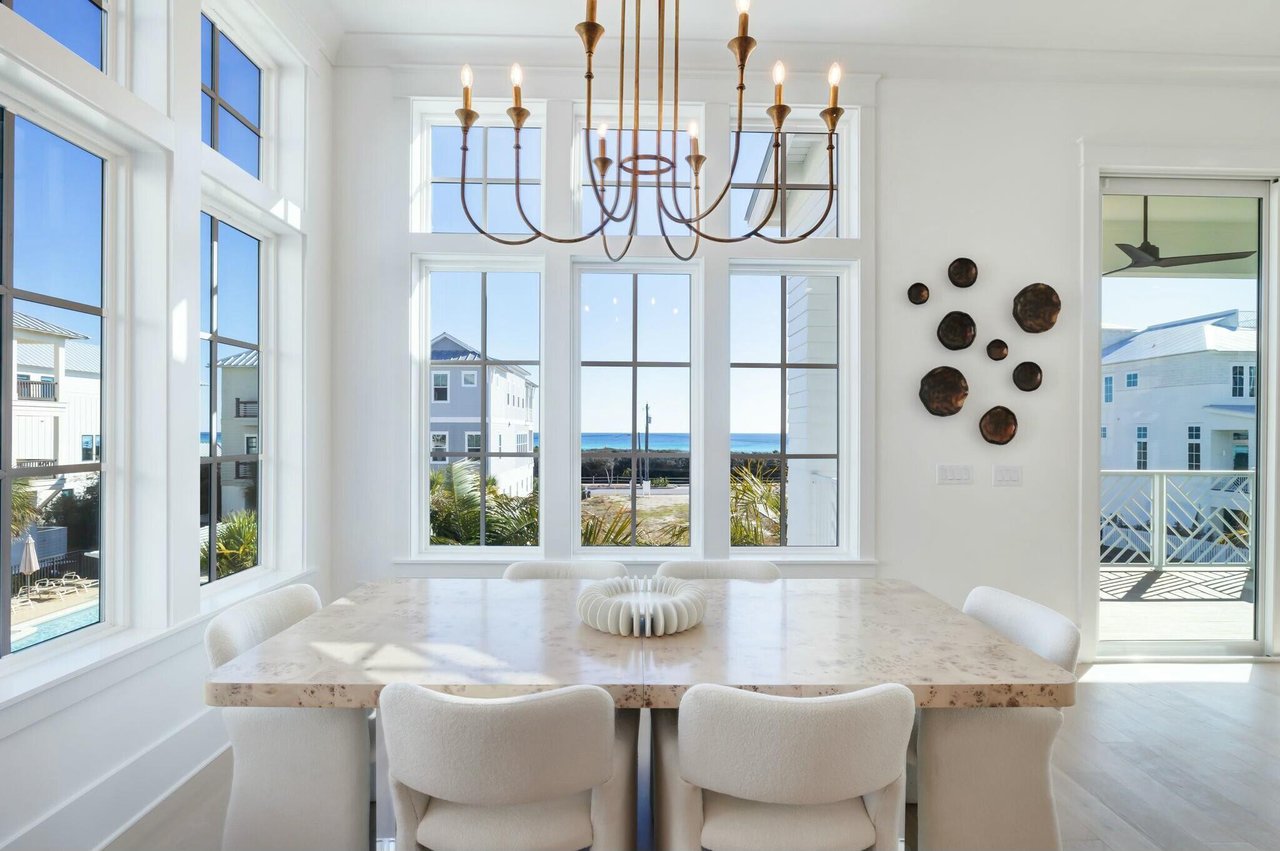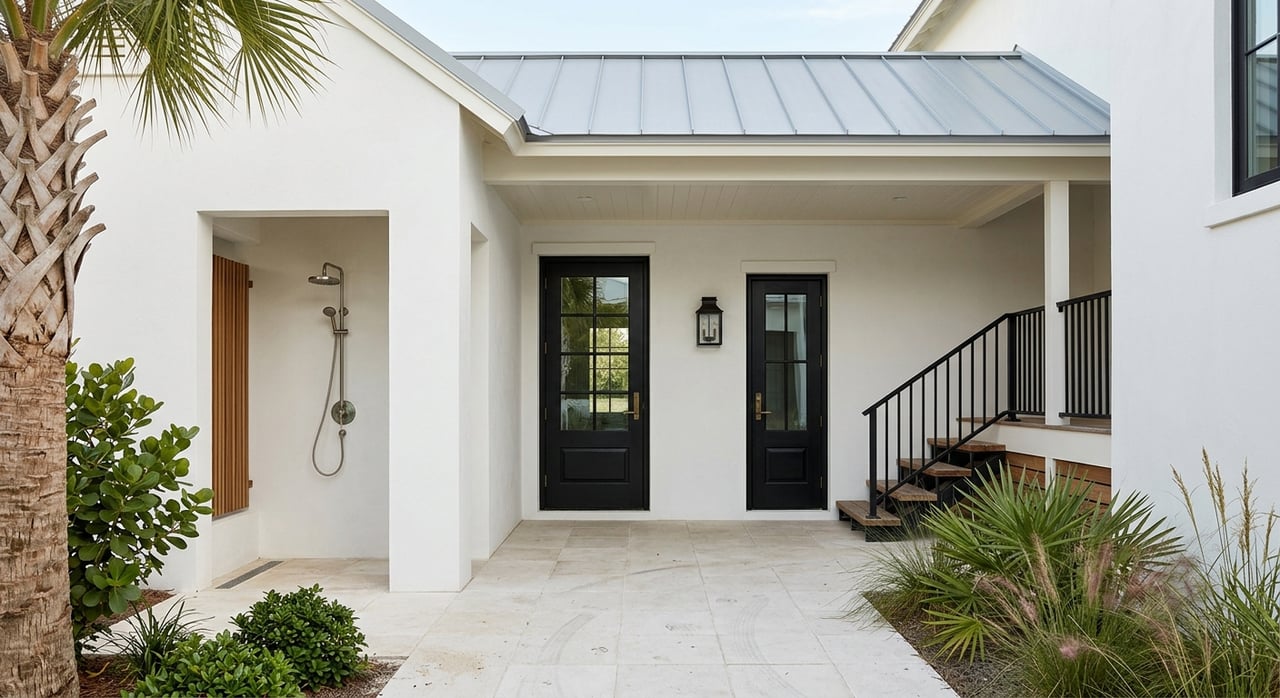
Wondering if you can enjoy your beach home and still make the numbers work as a rental? In Inlet Beach, that balance is possible, but it usually comes down to choosing the right property, understanding Walton County’s rules, and setting realistic income expectations from the start. If you want a place that feels like your own coastal retreat without giving up rental potential, this guide will help you think through the tradeoffs clearly. Let’s dive in.
Why Inlet Beach Fits Dual Use
Inlet Beach stands out because it works well for both personal stays and short-term rental demand. Local tourism sources describe it as a classic beach town with a mix of cottages, homes, condos, townhomes, and villas, which gives you more than one path to finding the right fit.
That variety matters when you are trying to balance lifestyle and income. Some buyers want a low-maintenance condo or townhome they can lock and leave, while others want a larger home with more privacy and outdoor living space. Inlet Beach offers both formats within the same broader coastal setting.
Another reason the area works is location. Inlet Beach sits on the east end of South Walton’s 30A corridor and is the first South Walton beach neighborhood you reach from the east, with quiet streets and access to the area’s largest regional beach access.
Beach Access Helps Guest Appeal
For a dual-use property, beach convenience is not just a lifestyle perk. It can directly shape how usable the home feels to you and how appealing it feels to guests.
Inlet Beach Regional Access includes seasonal lifeguards, ADA restrooms, an ADA boardwalk, ADA parking, a water fountain, and beach wheelchairs. The county parking guide also lists meaningful public parking capacity at the east, central, and west access points, which can make beach days simpler for visitors.
That ease matters even more because nearby Rosemary Beach and Alys Beach do not have public beach access listed in the county parking guide. For guests comparing where to stay, Inlet Beach can be the more practical choice if they want straightforward public parking and beach entry.
Walkability Adds Everyday Value
The best dual-use homes usually make short stays easy. In Inlet Beach, that often means staying close to the beach, 30Avenue, and the pedestrian underpass at Highway 98 and Scenic Highway 30A.
30Avenue brings together restaurants, retail, parking, and an easy walking connection to nearby coastal areas. The Inlet Beach Underpass also gives pedestrians and cyclists a safer route to beach access without crossing traffic, which adds convenience for both owners and renters.
When a property reduces the need to drive everywhere, it tends to feel more like a vacation. That can improve your own experience during quick personal visits and support guest demand without relying only on a higher sleeping count.
What to Prioritize in a Property
If your goal is both enjoyment and income, focus on how the property lives first. A home that feels comfortable, easy, and well-located often performs better over time than one that simply squeezes in more beds.
Flexible Layouts Matter More Than Bed Count
Walton County ties maximum occupancy to one person per 150 square feet of gross floor area, unless a lower number is set during the certificate process. That means a property’s layout and usable space can matter more than bedroom count alone.
In practice, efficient floor plans with flexible sleeping arrangements and comfortable common areas usually make more sense than cramped, bed-heavy designs. You want a home that supports guests without making your own stays feel tight or overly commercial.
Off-Street Parking Is a Real Advantage
Parking is not a small detail in a beach market. Walton County requires rental agreements to state the maximum on-site parking allowed and include a sketch of usable off-street parking spaces.
That makes clear parking capacity a practical asset. If guests are likely to arrive in multiple vehicles, a property with straightforward off-street parking can be easier to operate and easier to market.
Outdoor Living Supports Both Uses
Porches, patios, and gear storage carry real value in Inlet Beach. This is a beach-driven location, and homes that make it easy to store bikes, chairs, and beach gear tend to support smoother owner stays and guest stays.
Outdoor space also helps a property feel more livable between beach trips and dinners out. That is especially useful in a market where nearby dining and shopping make low-car stays more realistic.
Choose the Right Property Type
Because Inlet Beach includes homes, townhomes, villas, and condos, you can match the property type to your goals. The right choice depends on how much privacy, maintenance, and rental turnover you want to handle.
A larger home may give you more room and outdoor space, while a condo or townhome may simplify maintenance. The key is choosing a format that fits your personal use patterns just as much as your rental plan.
Understand the Rules Before You Buy
A strong dual-use strategy starts with compliance. In Walton County, short-term vacation rentals must be registered annually, and the county’s program page notes a transition to a new annual renewal schedule beginning February 2, 2026.
The county lists the initial and annual registration fee at $300 per property for an individual application. Operating without registration is listed at $500 per day, which makes pre-purchase due diligence essential.
Florida also requires a lodging license from the Department of Business and Professional Regulation before operating a new vacation rental or a property with a new owner. The state also notes that county and municipal requirements may apply, so buyers should confirm local zoning and building requirements before making major financial commitments.
Local Operating Requirements Matter
Walton County’s ordinance requires a locally available responsible party who can be reached 24 hours a day, 7 days a week. That person must respond within one hour and monitor the property weekly for parking and trash compliance.
If you do not live nearby, this requirement should be part of your planning from day one. It shapes how hands-on your ownership can be and how important local coordination becomes.
Rental Agreements Need Specific Details
The county requires rental agreements to include:
- the maximum on-site parking allowed
- a sketch of usable off-street parking spaces
- trash pickup instructions
- notice of the county noise ordinance
The ordinance also references quiet hours from 10:00 p.m. to 6:00 a.m. and potential civil infraction fines up to $500. For owners, this means house rules and guest communication are not just best practices. They are part of operating responsibly.
Some Buildings May Need Balcony Certification
For multi-story lodging, DBPR states that a balcony inspection certificate is required for public lodging establishments that are three stories or more, or where the vertical distance from the lowest grade level to any balcony is 17 feet or more. If you are comparing taller properties, this is one more detail to verify early.
Build a Smarter Income Model
It is easy to look at a beach market and assume strong, steady income. A better approach is to treat rental performance as tourism-driven and seasonal, not guaranteed year-round cash flow.
Walton County tourism officials report that tourism generated almost $5 billion in economic impact in 2024, with more than $4 billion in direct visitor spending. The same system says more than 20,000 rental units operate in Walton County, which shows both the depth of demand and the level of competition.
That is why property selection matters so much. In a market with plenty of rental inventory, the homes that stand out are often the ones that are comfortable, compliant, and close to the beach and everyday conveniences.
Underwrite Taxes Correctly
For stays of six months or less, Florida’s general state sales tax is 6%, and Walton County lists ZIP code 32461 in the south district with a 5% tourist development tax. Walton County also states that the tax applies to rent charged plus required non-refundable fees such as cleaning, pet, and resort fees.
That means you should model taxes on the full taxable base, not just the nightly rate. The Walton County Clerk also says the county is not contracted with Airbnb, HomeAway, or VRBO to collect taxes on an owner’s behalf, so tax handling should be confirmed carefully as part of your operating plan.
A Simple Buying Framework
If you are evaluating an Inlet Beach property for both enjoyment and rental use, keep your process focused on a few core questions.
Confirm the Local Setup
Verify the parcel’s exact tax district and licensing path before you underwrite income. Since Inlet Beach is in Walton County and ZIP code 32461 is listed in the south district for tourist development tax purposes, details like district placement can affect your numbers.
Compare Occupancy and Parking Together
Do not look at sleeping capacity in isolation. Compare the home’s likely guest count against Walton County’s occupancy formula and the property’s real off-street parking capacity.
Favor Convenience Over Extra Beds
Walkability to beach access, 30Avenue, and the underpass can do more for long-term appeal than packing in additional sleeping areas. The best dual-use homes often feel easy, not overbuilt.
Keep Your Assumptions Grounded
Tourism is a powerful driver in Walton County, but rental income should still be modeled conservatively. The strongest purchases are usually the ones that work for your lifestyle first and perform as rentals without aggressive assumptions.
The Best Balance Is Personal and Practical
Inlet Beach can be an excellent place to own a home that serves two purposes. The area’s beach access, walkability, and range of property types make it easier to find a home that feels like a true retreat while still fitting the short-term rental market.
The smartest path is to choose a property that feels good when you are there, stays compliant when guests are there, and benefits from a location that supports easy beach living. If you want expert guidance on evaluating Inlet Beach homes through both a lifestyle and rental lens, Lynne Andrews Luxury Collective offers a concierge, investment-aware approach tailored to 30A and the Emerald Coast.
FAQs
What makes Inlet Beach good for personal use and rentals?
- Inlet Beach offers a mix of homes, condos, townhomes, and villas, plus strong beach access, walkability, and nearby dining and retail that support both owner enjoyment and guest appeal.
What short-term rental rules apply in Inlet Beach?
- Inlet Beach is in Walton County, where short-term vacation rentals must be registered annually, and Florida requires a DBPR lodging license before operating a new vacation rental or a property with a new owner.
How does Walton County calculate vacation rental occupancy?
- Walton County ties maximum occupancy to one person per 150 square feet of gross floor area, unless a lower number is established during the certificate process.
Why is parking important for an Inlet Beach rental property?
- Walton County requires rental agreements to state the maximum on-site parking allowed and include a sketch of usable off-street parking spaces, so parking directly affects compliance and guest usability.
What taxes should owners model for an Inlet Beach short-term rental?
- Owners should account for Florida’s 6% general state sales tax and Walton County’s 5% tourist development tax for ZIP code 32461, with the county tax applying to rent plus required non-refundable fees.
What property features best support dual use in Inlet Beach?
- Flexible floor plans, comfortable common areas, off-street parking, outdoor living space, gear storage, and walkable access to the beach and 30Avenue are some of the most practical features to prioritize.