What makes Alys Beach feel so calm and curated the moment you arrive? It is not just the white walls or the quiet streets. It is a complete design language that shapes how you live day to day, from the courtyard you sip coffee in to the paseo you stroll at sunset. In this guide, you will learn the signature architectural details that define Alys Beach homes and why they matter for comfort, resilience, and long‑term value. Let’s dive in.
Why Alys Beach looks so intentional
Alys Beach in Walton County is a New Urbanist town with a clear master plan. The urban plan and design code were created by DPZ CoDesign and carried forward by town architects Erik Vogt and Marieanne Khoury‑Vogt. This structure guides everything you see, from building forms to street details, and it is a big reason the town feels so cohesive. You can explore an overview of the town’s architecture in the official Alys Beach materials.
The design code and town architects
A private Design Code and an Architectural Review workflow sit on top of standard county permits. Alys Beach also maintains approved architect and builder lists to ensure construction meets the town’s standards. The review process covers exteriors, landscape, and public‑facing elements. The result is a streetscape that feels consistent and calm because every change is intentional.
What this means for you as a buyer
You get predictability. Exterior changes must align with the code, which helps protect the look and feel you are buying into. You also gain confidence that new construction nearby will follow the same rules. Before you plan a project, confirm current steps and timelines through the community’s Building at Alys guidance, which outlines the approval process and FORTIFIED requirement.
The white palette and sculpted forms
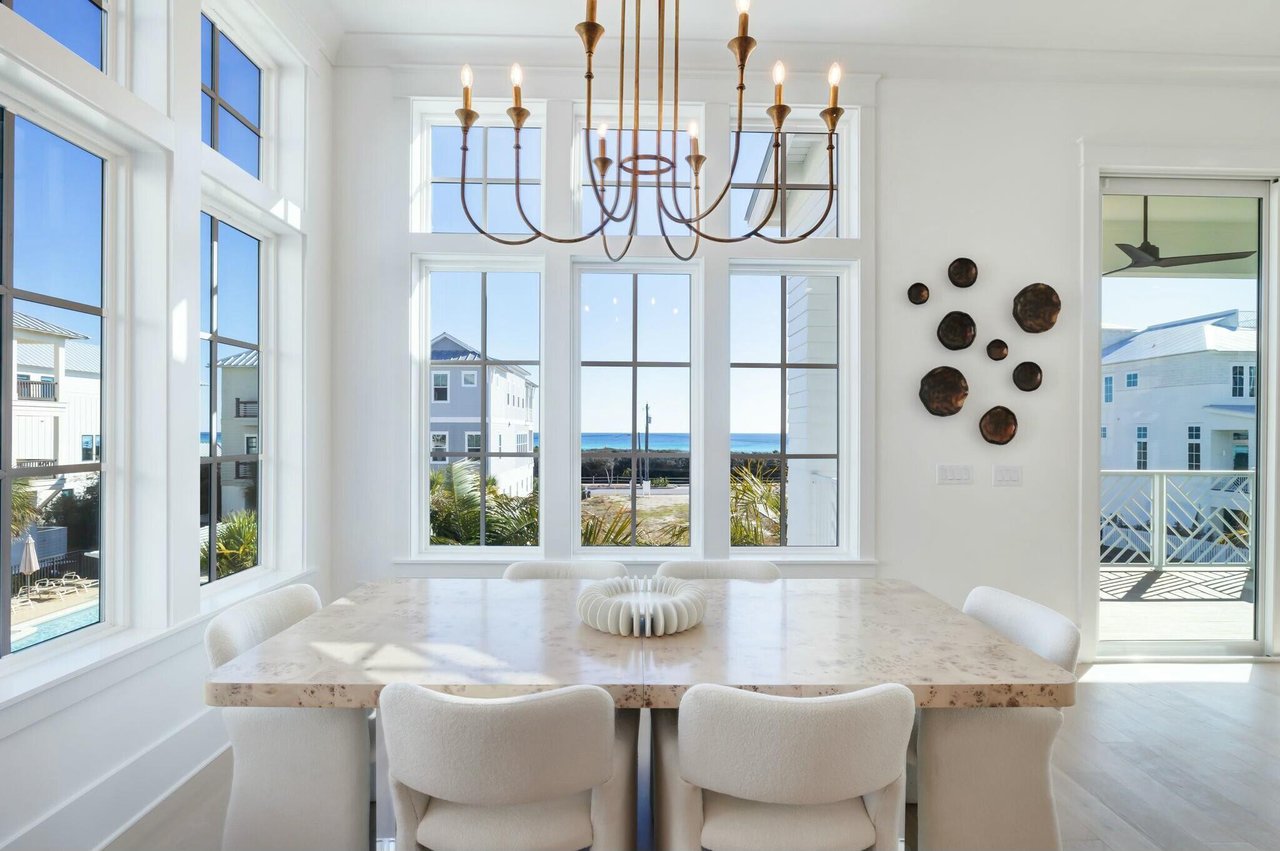
Alys Beach is famous for smooth, white masonry and stucco. The town describes its architecture as a study in geometry, where light and shadow play across clean forms rather than busy materials or color. This monochrome palette creates visual calm, a strong identity, and a skyline that feels seamless from block to block. It also helps reflect heat in the Florida sun.
White masonry that cools and unifies
The choice of white is both aesthetic and practical. It recalls Bermudian and Mediterranean precedents where whitewashed surfaces reflect solar gain and create a cool interior. Historical references to Bermudian building traditions note limewashed roofs and walls that manage heat and water. In Alys Beach, the white envelope works with shaded courts and loggias to keep spaces comfortable while reinforcing the town’s signature look.
Rooflines and shallow eaves
Alys Beach emphasizes simple, sculptural roof forms with shallow eaves and masonry parapets. The design code favors compact building envelopes over deep overhangs. These choices help the town meet high wind performance targets and shape the crisp silhouettes you notice against the sky. Reinforced masonry and robust roof systems support durability and the community’s resilience goals.
Courtyards, compounds, and villas
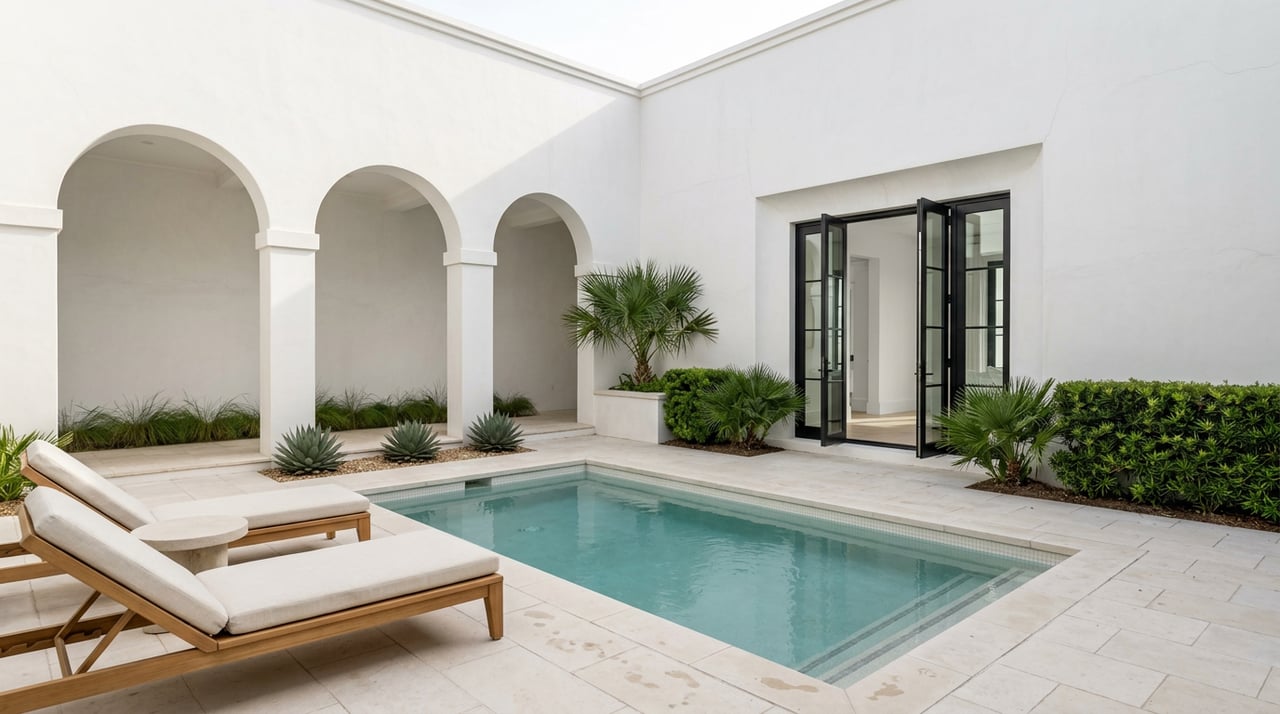
Homes in Alys Beach generally follow three typologies: courtyard homes, compounds, and freestanding villas. Courtyard homes organize life around a private court that may include a pool, fountain, or shaded terrace. Compounds connect multiple pavilions with covered walkways. Villas are freestanding but still respect the town’s forms. Each plan type brings outdoor living into daily routines.
How courtyard living works
Courtyards are entered through a zaguán or covered passage that leads from the street to a secluded outdoor room. Loggias frame these courts and create a gentle transition between indoors and out. The plan focuses on privacy, shade, and natural ventilation. It is also a smart response to the coastal climate, since inward‑facing spaces are protected from wind and create comfortable microclimates.
Daily life in the court
In Alys Beach, the courtyard is often your favorite room. You cook with doors open to the breeze, host friends around a small fountain, or take a quiet swim after dusk. Because the outdoor space is enclosed and shaded, it stays usable in more weather and through more seasons. Over time, that rhythm of indoor‑outdoor living becomes part of the lifestyle you came to 30A for.
Paseos and streets made for walking
The public realm in Alys Beach is built for people first. Narrow streets slow cars, and a network of paseos draws you on foot toward the Gulf. Many primary streets run perpendicular to the shoreline to preserve breezes and views. Parking stays at the edges, which keeps the town core quiet and walkable.
Movement toward the Gulf
Alys Beach’s plan uses clear sight lines and short blocks to orient you. As you walk, you feel gentle pulls toward the water and toward civic spaces like the amphitheatre and town center. This structure supports everyday strolls, bike rides, and easy access to parks and the 20‑acre nature preserve. The town’s official overview offers a helpful map of this layout.
Details that slow the pace
Material choices help set the mood. You will find cobbled slip streets, permeable paving over gravel, and integrated planters that soften the edges. The code also encourages small “gifts to the street,” like low benches, urns, and dog waterers, which turn a simple walk into a string of small moments. These cues invite you to pause, greet a neighbor, and enjoy the scale of the place.
Materials and street‑level craft
The town’s restrained palette continues inside many homes. You often see limestone floors, antique cypress beams and doors, and patterned cement tile accents. These materials stand up to salt air and humidity while adding quiet character. They also echo the town’s emphasis on timeless forms over trend‑driven finishes.
Durable, coastal‑friendly finishes
Stone, dense woods, and cast masonry elements are typical across Alys Beach marketing and design references. Integrated planters and built‑in seating connect private spaces to the pedestrian realm. Because the town code emphasizes durability, these choices serve both beauty and long‑term care. They also photograph beautifully, which supports the community’s brand and resale appeal.
Gifts to the street
Alys Beach describes a culture of small civic gestures along paseos and entries. Think of a low fountain near a corner garden or a shaded bench tucked into a wall niche. These details calm the streetscape and invite conversation. They also reinforce the idea that even small elements can elevate daily life.
Built for storms: the FORTIFIED standard
Alys Beach requires homes to meet the IBHS FORTIFIED Home standard, with verification during the construction process. This is unusual at a community‑wide scale and signals a clear commitment to resilience. The standard covers roof performance, continuous load paths, and impact protection where needed. For you, it means the home is designed and inspected for improved wind and water resistance.
What FORTIFIED means in practice
FORTIFIED is an evidence‑based program that focuses on the weak points where storms typically cause damage. Upgrades include stronger roof decks and fasteners, sealed roof edges, reinforced connections, and carefully detailed openings. A third party verifies the work. Many insurers recognize FORTIFIED with potential discounts or endorsements, though savings vary by carrier and state.
Why resilience supports long‑term value
Stronger construction can reduce repair frequency and disruption after storms. It can also support buyer confidence, which helps preserve demand in a coastal market. Alys Beach pairs this with a walkable plan and a unified design language, which together support premium positioning over time.
How design choices shape lifestyle and value
The courtyard house type is the anchor of daily life. It offers privacy, shade, and safe outdoor play space, even with neighbors close by. Paired with paseos and small civic spaces, you get a town that is social in public and serene at home. That balance is rare, and it helps explain the strong interest from design‑minded buyers.
Uniform design controls also matter. A consistent streetscape reduces visual risk for future owners. You know that new homes and exterior changes will follow the same rules that attracted you in the first place. In boutique resort communities, this cohesion often aligns with strong demand and healthy resale outcomes.
What to ask before you buy in Alys Beach
Use this quick checklist to clarify process and expectations:
- Architectural Review Board: Ask about current submission steps, review timelines, and required documentation.
- Approved teams: Confirm if your lot requires an approved architect and builder and how to select from the lists.
- FORTIFIED documentation: Request details on how certification is handled during construction and final verification.
- Exterior changes: Clarify which elements need approval, including landscape and street‑visible features.
- Use rules: Confirm current policies on parking, garage configuration, and rental operations if you plan to rent.
- Beach Club and amenities: Verify access details for your property type and how guest access works.
For current guidance on process and standards, review the official Building at Alys resources and consult your advisor.
Key terms to know
- Zaguán: A covered entry passage from the street into a private courtyard.
- Loggia: A recessed gallery or open‑sided corridor that frames a courtyard and mediates indoor‑outdoor space.
- Paseo: A landscaped pedestrian passage that prioritizes walking over driving.
- FORTIFIED (IBHS): A verified construction standard for wind and water resistance with third‑party inspection.
Sources for deeper reading
- Learn about Alys Beach’s architectural DNA and house types in the town’s official architecture overview: Alys Beach Architecture.
- Explore how the town plan, paseos, and preserve shape movement and public life: Alys Beach: The Town.
- See how the community manages construction, approvals, and FORTIFIED requirements: Building at Alys.
- Read a resilience case study that covers wind standards, stormwater, and the business case: ULI Developing Urban Resilience: Alys Beach.
- Get an overview of the IBHS program and what FORTIFIED verifies: FORTIFIED Home.
- Discover the materials and craft that define Alys interiors and streets: Alys Journal, Sixth Edition and Alys Journal, Eighth Edition.
- For historical context on whitewashed Bermudian building traditions: Bermuda Houses.
Ready to explore Alys Beach with a design‑savvy guide who understands both lifestyle and investment goals? Connect with the Lynne Andrews Luxury Collective for a personalized plan, from touring courtyard homes to aligning your purchase with rental and resale objectives.
FAQs
Why are Alys Beach homes all white?
- The town’s design code favors smooth white masonry and stucco to emphasize form and shadow, reduce heat gain, and create a calm, unified streetscape with clear Bermudian and Mediterranean roots.
How do courtyards affect daily living in Alys Beach?
- Courtyards act as shaded, ventilated outdoor rooms where you eat, relax, and host with privacy. They add comfort year‑round and protect outdoor life from wind and street noise.
What should I know about changing a home’s exterior?
- Exterior changes typically require approval through the Architectural Review process to preserve the town’s character. Ask about current submittal steps, timelines, and any approved‑team requirements.
What does FORTIFIED certification do for a home?
- FORTIFIED uses verified construction details and inspections to improve wind and water resistance. Many insurers recognize the program, and stronger performance can reduce storm damage and disruption.
Is Alys Beach walkable for daily errands and recreation?
- Yes. A network of paseos, narrow streets, and parks supports walking and biking to civic spaces, the amphitheatre, and the beach while keeping the town center quiet and pedestrian‑focused.